The Journal
What Causes PMS and Solutions to Your Symptoms
January 21, 2022
If you talk to your friends who experience monthly bleeds, you will likely find that many of them to report physical and emotional changes leading up to their period. Around 50% of women of reproductive age experience PMS; with 5% having a severe form of PMS called premenstrual dysphoric disorder (PMDD).

Premenstrual syndrome (PMS) is classified as reoccurring luteal phase symptoms (between ovulation and your period) that tend to subside within hours of a period arriving.
Some mild PMS symptoms are normal as your hormones fluctuate throughout the month, as they’re supposed to. These are normal, natural, cyclical, fluctuations that you will likely feel the effects of. However, debilitating PMS is not normal. Common yes, but normal, no!
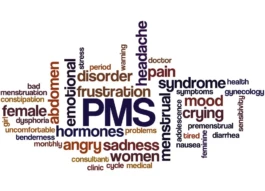
- Psychological – Irritability, anger, depression, anxiety, mood swings, crying and tearfulness
- Physical – Headaches, breast pain, tenderness and swelling, period pain and cramping, back pain, bloating, fluid retention, fatigue, insomnia, food cravings, and weakness
- PMS-A (anxiety)
→ Signs of nervous tension, irritability, anxiety, mood swings
- PMS-D (depression)
→ Low mood, avoiding social situations, crying, anger, forgetfulness, insomnia, inability to concentrate
- PMS-H (hyper-hydration/fluid retention)
→ Breast pain and tenderness, lower body swelling, bloating, abdominal discomfort
- PMS-C (cravings)
→ Food cravings, increase in appetite, fatigue, headaches
- Hormonal imbalances – excess oestrogen, low progesterone, elevated prolactin (hyperprolactinaemia)
- Inflammation – prostaglandin and cytokine imbalances, underlying medical condition, insulin resistance
- HPA axis dysfunction – chronic stress leading to the abnormal regulation of cortisol
- Nutrient deficiencies – including magnesium, vitamin B6, calcium, and iodine
- Excess levels of aldosterone or antidiuretic hormone (ADH) – leading to sodium and water retention
- Abnormal neurotransmitter response – deficient serotonin output, decreased GABA
- Magnesium supplementation, 300 – 800mg in split doses
- Turmeric, which has the added benefit of lightening heavy periods
- Fish oil, 2 – 3g of omega 3 daily
- Calcium citrate 1,200 daily
- Zinc 30 – 50mg daily after food
- If you have low luteal phase progesterone levels, Vitex is an option to consider
- Herbal analgesics (natures pain killers!) include Jamaican dogwood, California poppy, Corydalis, and Willow bark. Speak to your Naturopath to see if these may be appropriate for you
- Reconsider/reduce your caffeine intake
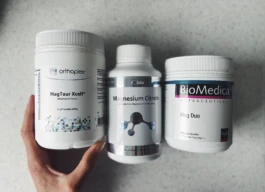
A few of my favourite magnesium options; magnesium with taurine, Vitamin C and B vitamins, magnesium citrate capsules, and a magnesium citrate + glycinate powder
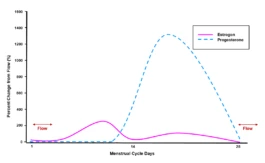
The fluctuations of oestrogen and progesterone in an ovulatory cycle
- Magnesium supplementation, 300 – 800mg in split doses
- B6, 40 – 150mg daily in split doses
- Taurine, 1 – 3g daily
- Zinc 30-50mg daily
- Vitex/Chaste tree
- Anxiolytic herbs include Passionflower, Lemon balm, Skullcap and Zizyphus. These herbs can also help with anxiety-related sleep troubles
- Supplement with the calming neurotransmitter GABA
- Consider the role of caffeine - the link between intake and anxiety is well-established
If you are taking anti-depressants or are on the pill, please consult with your practitioner before using any of the following treatments as they may interfere with the efficacy of your medication.
- Fish oil, 2 – 3g of omega 3 daily
- Tryptophan/5-HTP
- SAMe (S-adenosylmethoionine), 100 – 400mg daily
- St John’s Wort
- Turmeric
- Saffron
Symptom 3; Headaches and migraines
- Magnesium supplementation, 300 – 800mg in split doses
- Vitamin B2/Riboflavin. 200mg taken twice daily
- Increasing your iron intake or supplementing if levels are low
- Melatonin, taken in the luteal phase
- Feverfew, 100 – 130mg extract
- If progesterone levels are low, support your levels with Vitex and B6
- Bioidentical progesterone, prescribed by your GP
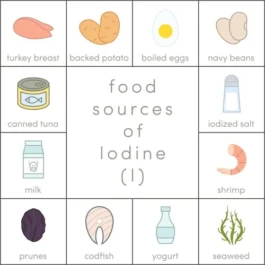
- Iodine supplementation, dose will depend on your iodine levels and thyroid health
- Vitex, note that this can take up to 3 months to relieve symptoms
- Be mindful of your caffeine intake as excess caffeine has been linked to breast pain
- Insomnia in the luteal phase:
- Both oestrogen and progesterone have beneficial effects on sleep. Therefore as levels of these hormones drop low towards your period, you lose these protective benefits on sleep
- Try magnesium, 300 – 600mg in split doses
- If progesterone levels are low, support your levels with Vitex and B6
- Supplement with the calming neurotransmitter GABA, 100 – 600mg nightly
- Melatonin, taken in the luteal phase
- Rest more during the day
- HPA dysregulation:
- Due to the loss of progesterone, which can make you feel adrenally fatigued
- This will make you more stressed, anxious, and irritable
- Try a complex that includes magnesium, taurine and B6
- Try herbal adaptogen support. Withania, Rhodiola, Schisandra, and Siberian ginseng are all nourishing options
- Iron deficiency:
- Common in those with heavy periods, low meat intake, or digestive issues. If your iron is already low, having your period means your levels will drop further each month
- Increase your iron intake AND absorption
- Supplement with iron AND co-factors
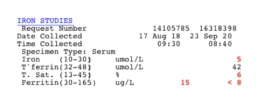
A severe iron deficiency on pathology
- Zinc 30-50mg daily
- Vitex/Chaste tree
- Read this blog on key nutrients for skin health
I hope you now have some clear direction on what may be contributing to your PMS symptoms and what nutritional and herbal medicine options you can use to support your health.
Author
Jaclyn Cave
BHSc (Nat), BComm (Soc)
Masters Womens Health Med (UNSW)
References:
https://pubmed.ncbi.nlm.nih.gov/31928364/
https://www.ncbi.nlm.nih.gov/pmc/articles/PMC3208934/
https://pubmed.ncbi.nlm.nih.gov/11129515/
https://www.ncbi.nlm.nih.gov/pmc/articles/PMC7527439/
https://www.sciencedirect.com/science/article/pii/S1028455909602710
https://pubmed.ncbi.nlm.nih.gov/23642943/ https://www.ncbi.nlm.nih.gov/pmc/articles/PMC3033240/
https://www.ncbi.nlm.nih.gov/pmc/articles/PMC4540034/
https://www.eatforhealth.gov.au/food-essentials/how-much-do-we-need-each-day/serve-sizes
https://pubmed.ncbi.nlm.nih.gov/31987230/
https://pubmed.ncbi.nlm.nih.gov/2927749/
https://www.omicsonline.org/open-access/aetiology-diagnosis-and-management-of-premenstrual-syndrome-2167-0846-1000193.php?aid=57738
The Journal
What Causes PMS and Solutions to Your Symptoms
January 21, 2022
If you talk to your friends who experience monthly bleeds, you will likely find that many of them to report physical and emotional changes leading up to their period. Around 50% of women of reproductive age experience PMS; with 5% having a severe form of PMS called premenstrual dysphoric disorder (PMDD).
Premenstrual syndrome (PMS) is classified as reoccurring luteal phase symptoms (between ovulation and your period) that tend to subside within hours of a period arriving.
Some mild PMS symptoms are normal as your hormones fluctuate throughout the month, as they’re supposed to. These are normal, natural, cyclical, fluctuations that you will likely feel the effects of. However, debilitating PMS is not normal. Common yes, but normal, no!
- Psychological – Irritability, anger, depression, anxiety, mood swings, crying and tearfulness
- Physical – Headaches, breast pain, tenderness and swelling, period pain and cramping, back pain, bloating, fluid retention, fatigue, insomnia, food cravings, and weakness
- PMS-A (anxiety)
→ Signs of nervous tension, irritability, anxiety, mood swings
- PMS-D (depression)
→ Low mood, avoiding social situations, crying, anger, forgetfulness, insomnia, inability to concentrate
- PMS-H (hyper-hydration/fluid retention)
→ Breast pain and tenderness, lower body swelling, bloating, abdominal discomfort
- PMS-C (cravings)
→ Food cravings, increase in appetite, fatigue, headaches
- Hormonal imbalances – excess oestrogen, low progesterone, elevated prolactin (hyperprolactinaemia)
- Inflammation – prostaglandin and cytokine imbalances, underlying medical condition, insulin resistance
- HPA axis dysfunction – chronic stress leading to the abnormal regulation of cortisol
- Nutrient deficiencies – including magnesium, vitamin B6, calcium, and iodine
- Excess levels of aldosterone or antidiuretic hormone (ADH) – leading to sodium and water retention
- Abnormal neurotransmitter response – deficient serotonin output, decreased GABA
- Magnesium supplementation, 300 – 800mg in split doses
- Turmeric, which has the added benefit of lightening heavy periods
- Fish oil, 2 – 3g of omega 3 daily
- Calcium citrate 1,200 daily
- Zinc 30 – 50mg daily after food
- If you have low luteal phase progesterone levels, Vitex is an option to consider
- Herbal analgesics (natures pain killers!) include Jamaican dogwood, California poppy, Corydalis, and Willow bark. Speak to your Naturopath to see if these may be appropriate for you
- Reconsider/reduce your caffeine intake
A few of my favourite magnesium options; magnesium with taurine, Vitamin C and B vitamins, magnesium citrate capsules, and a magnesium citrate + glycinate powder
- Magnesium supplementation, 300 – 800mg in split doses
- B6, 40 – 150mg daily in split doses
- Taurine, 1 – 3g daily
- Zinc 30-50mg daily
- Vitex/Chaste tree
- Anxiolytic herbs include Passionflower, Lemon balm, Skullcap and Zizyphus. These herbs can also help with anxiety-related sleep troubles
- Supplement with the calming neurotransmitter GABA
- Consider the role of caffeine - the link between intake and anxiety is well-established
If you are taking anti-depressants or are on the pill, please consult with your practitioner before using any of the following treatments as they may interfere with the efficacy of your medication.
- Fish oil, 2 – 3g of omega 3 daily
- Tryptophan/5-HTP
- SAMe (S-adenosylmethoionine), 100 – 400mg daily
- St John’s Wort
- Turmeric
- Saffron
Symptom 3; Headaches and migraines
- Magnesium supplementation, 300 – 800mg in split doses
- Vitamin B2/Riboflavin. 200mg taken twice daily
- Increasing your iron intake or supplementing if levels are low
- Melatonin, taken in the luteal phase
- Feverfew, 100 – 130mg extract
- If progesterone levels are low, support your levels with Vitex and B6
- Bioidentical progesterone, prescribed by your GP
- Iodine supplementation, dose will depend on your iodine levels and thyroid health
- Vitex, note that this can take up to 3 months to relieve symptoms
- Be mindful of your caffeine intake as excess caffeine has been linked to breast pain
- Insomnia in the luteal phase:
- Both oestrogen and progesterone have beneficial effects on sleep. Therefore as levels of these hormones drop low towards your period, you lose these protective benefits on sleep
- Try magnesium, 300 – 600mg in split doses
- If progesterone levels are low, support your levels with Vitex and B6
- Supplement with the calming neurotransmitter GABA, 100 – 600mg nightly
- Melatonin, taken in the luteal phase
- Rest more during the day
- HPA dysregulation:
- Due to the loss of progesterone, which can make you feel adrenally fatigued
- This will make you more stressed, anxious, and irritable
- Try a complex that includes magnesium, taurine and B6
- Try herbal adaptogen support. Withania, Rhodiola, Schisandra, and Siberian ginseng are all nourishing options
- Iron deficiency:
- Common in those with heavy periods, low meat intake, or digestive issues. If your iron is already low, having your period means your levels will drop further each month
- Increase your iron intake AND absorption
- Supplement with iron AND co-factors
- Zinc 30-50mg daily
- Vitex/Chaste tree
- Read this blog on key nutrients for skin health
I hope you now have some clear direction on what may be contributing to your PMS symptoms and what nutritional and herbal medicine options you can use to support your health.
Author
Jaclyn Cave
BHSc (Nat), BComm (Soc)
Masters Womens Health Med (UNSW)
References:
https://pubmed.ncbi.nlm.nih.gov/31928364/
https://www.ncbi.nlm.nih.gov/pmc/articles/PMC3208934/
https://pubmed.ncbi.nlm.nih.gov/11129515/
https://www.ncbi.nlm.nih.gov/pmc/articles/PMC7527439/
https://www.sciencedirect.com/science/article/pii/S1028455909602710
https://pubmed.ncbi.nlm.nih.gov/23642943/ https://www.ncbi.nlm.nih.gov/pmc/articles/PMC3033240/
https://www.ncbi.nlm.nih.gov/pmc/articles/PMC4540034/
https://www.eatforhealth.gov.au/food-essentials/how-much-do-we-need-each-day/serve-sizes
https://pubmed.ncbi.nlm.nih.gov/31987230/
https://pubmed.ncbi.nlm.nih.gov/2927749/
https://www.omicsonline.org/open-access/aetiology-diagnosis-and-management-of-premenstrual-syndrome-2167-0846-1000193.php?aid=57738
Blending evidence-based medicine with traditional Naturopathic principles