Jaclyn Cave
Naturopath, Sydney
Jaclyn Cave
Naturopath, Sydney

August 29, 2025
The World Health Organisation (WHO) estimates that one third of all women of reproductive age (15 - 49 years) are anaemic. That is an incredibly high number, and is really saddening when you know the debilitating symptoms and effects anaemia can have. I have written this blog as low iron levels and iron deficiency anaemia are very common presentations I see weekly in clinic. There are many things that can be done to improve your iron levels - so read on!
01
What is anaemia?
Notes
Why is your iron low? Main causes include:
Anaemia is defined as low levels or red blood cells and/or haemoglobin concentration, which lowers our bodies oxygen-carrying capacity. The most common causes of anaemia are low levels of iron, folate and B12, as well as red blood cell disorders such as thalassemia.
Iron requirements for women are higher than men primarily due to the blood loss through menstruation, and increased needs during pregnancy. Anecdotally, I see women eating much less meat than men, and I often wonder if this has to do with the perception of eating meat being a 'masculine' trait.
Lots of my female clients tell me they don't like the taste or texture of meat, don't digest it well, or feel it sits 'heavy' in their stomach. I have plenty of vegan and vegetarian clients, where the cause of low iron is obvious, and can be corrected through dietary modifications and supplementation where necessary.
02
How improve your iron levels
Notes
Iron-rich foods include:

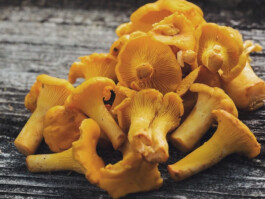
Chantarelle mushrooms; a surprising source of iron with 5.8mg of iron per 100g serve
03
Haem vs non-haem iron
Notes
Co-factors for iron absorption:
Dietary iron exists in two forms; haem iron and non-haem iron. Haem iron is made up of animal products such as meat, chicken and fish, whilst non-haem includes vegetarian sources such as plants, grains, and legumes.
Haem iron is more well-absorbed in the gut, due to specific haem transporters located there which enable haem iron to pass directly across cell membranes and into the bloodstream. Non-haem iron is unable to utilise these transporters.
04
Absorption tips:

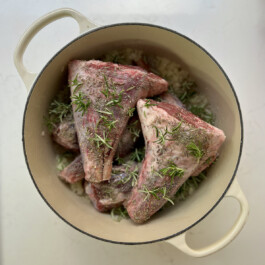
Lamb shanks. Lamb contains 2.5mg of iron per 100g
05
What does well absorbed, iron-rich meal look like?

Beef cheek tacos. Beef contains 3.5mg of iron per 100g
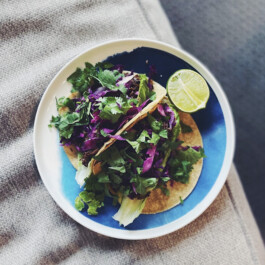
The below image essentially looks like plate of coriander tacos, however do not be fooled! Here are the iron intake and absorption details:
If you are struggling with low iron or an iron deficiency and would like help with improving your levels, you are welcome to book in a session with me here.
Author
Jaclyn Cave
BHSc (Nat), BComm (Soc)
Masters Womens Health Med (UNSW)

August 29, 2025
The World Health Organisation (WHO) estimates that one third of all women of reproductive age (15 - 49 years) are anaemic. That is an incredibly high number, and is really saddening when you know the debilitating symptoms and effects anaemia can have. I have written this blog as low iron levels and iron deficiency anaemia are very common presentations I see weekly in clinic. There are many things that can be done to improve your iron levels - so read on!
01
What is anaemia?
Notes
Why is your iron low? Main causes include:
Anaemia is defined as low levels or red blood cells and/or haemoglobin concentration, which lowers our bodies oxygen-carrying capacity. The most common causes of anaemia are low levels of iron, folate and B12, as well as red blood cell disorders such as thalassemia.
Iron requirements for women are higher than men primarily due to the blood loss through menstruation, and increased needs during pregnancy. Anecdotally, I see women eating much less meat than men, and I often wonder if this has to do with the perception of eating meat being a 'masculine' trait.
Lots of my female clients tell me they don't like the taste or texture of meat, don't digest it well, or feel it sits 'heavy' in their stomach. I have plenty of vegan and vegetarian clients, where the cause of low iron is obvious, and can be corrected through dietary modifications and supplementation where necessary.
02
How improve your iron levels
Notes
Iron-rich foods include:

Chantarelle mushrooms; a surprising source of iron with 5.8mg of iron per 100g serve
03
Haem vs non-haem iron
Notes
Co-factors for iron absorption:
Dietary iron exists in two forms; haem iron and non-haem iron. Haem iron is made up of animal products such as meat, chicken and fish, whilst non-haem includes vegetarian sources such as plants, grains, and legumes.
Haem iron is more well-absorbed in the gut, due to specific haem transporters located there which enable haem iron to pass directly across cell membranes and into the bloodstream. Non-haem iron is unable to utilise these transporters.
04
Absorption tips:

Lamb shanks. Lamb contains 2.5mg of iron per 100g
05
What does well absorbed, iron-rich meal look like?

Beef cheek tacos. Beef contains 3.5mg of iron per 100g
The below image essentially looks like plate of coriander tacos, however do not be fooled! Here are the iron intake and absorption details:
If you are struggling with low iron or an iron deficiency and would like help with improving your levels, you are welcome to book in a session with me here.
Author
Jaclyn Cave
BHSc (Nat), BComm (Soc)
Masters Womens Health Med (UNSW)
Blending evidence-based medicine with traditional Naturopathic principles