The Journal
Why Male Fertility Matters: A Naturopathic Perspective on Preconception Care
March 3rd, 2026
Male preconception care matters just as much as women's! Sperm quality can influence pregnancy, pregnancy outcomes, early childhood development, and lifelong wellbeing. True preconception care goes beyond simply falling pregnant, it is an opportunity to positively impact the health trajectory of the next generation.
When couples are struggling to conceive, the focus is often placed almost entirely on the female partner. However, male factors contribute significantly: around 20-30% of infertility cases are male-only, 20-30% involve both partners, and sperm quality plays a role in up to 50% overall. Male fertility is frequently under-investigated or addressed late.
Globally, sperm counts have declined by over 50% since the 1970s, with acceleration in recent decades linked to lifestyle and environmental factors like endocrine disruptors, pesticides, smoking, chronic stress, poor diet, and rising BMIs.
Importantly, sperm health is a marker of overall wellbeing and longevity. The good news? Sperm respond quickly to positive changes - noticeable improvements can occur within 3 months.
Sperm are fragile cells. Once they leave the testis, they lose most antioxidant protection and have to rely on the epididymal environment and bloodstream nutrients. They are particularly vulnerable to oxidative damage in the 10–15 days prior to ejaculation. This means that inflammation, illness, alcohol excess, sleep deprivation, psychological stress and toxin exposure during this window can significantly impact quality. It also means that targeted antioxidant and mitochondrial support during this period - and beyond - can make a measurable difference!
1. Prioritising an antioxidant-rich, whole-food diet - Base meals around colourful vegetables, leafy greens, berries, olive oil, nuts, seeds and quality protein. Diverse phytonutrients combat oxidative stress, one of the primary drivers of sperm damage. Aim for at least 5–7 serves of vegetables daily, with multiple colours represented.
2. Increase omega-3 fatty acid intake - Include oily fish such as sardines, salmon or mackerel 2–3 times per week, or consider a practitioner-prescribed omega-3 supplement. DHA is incorporated directly into the sperm membrane, improving flexibility and structural integrity, which supports fertilisation capacity.

A fantastic brand of wild caught sardines in olive oil

Ubiquinol is the optimal form of CoQ10

Zinc and Vitamin D - 2 key nutrients for sperm health
7. Regulate blood sugar and reduce visceral fat - Insulin resistance and central adiposity negatively affect testosterone and sperm production. Focus on balanced meals with protein, fibre and healthy fats to stabilise blood glucose and reduce inflammatory load.
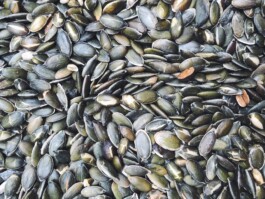
Pumpkin seeds - rich in zinc, antioxidants (including Vitamin E), and magnesium
We need at least three months of consistent dietary and lifestyle interventions to meaningfully influence a new generation of sperm. While short-term antioxidant support can help protect sperm in the vulnerable pre-ejaculatory window, deeper improvements require sustained change. If you are trying to conceive, consider a semen analysis early and investigate DNA fragmentation in cases of unexplained infertility or recurrent miscarriage. Most importantly, begin optimising health at least three months prior to actively trying to conceive.
If you plan to contribute your sperm toward the conception of a child, your health matters! Male factor fertility should never be treated as an afterthought. Sperm quality is a reflection of overall health status and the condition of sperm at the time of fertilisation can influence pregnancy, pregnancy outcomes, early childhood development and lifelong wellbeing. True preconception care goes beyond simply falling pregnant, it is an opportunity to positively impact the health trajectory of the next generation.
If you’d like more personalised guidance on your health and fertility, feel free to reach out and book a consultation.
Author
Jacqueline Lovett
BHSc (Nat)
References:
Levine H, Jørgensen N, Martino-Andrade A, et al. Temporal trends in sperm count: a systematic review and meta-regression analysis of samples collected globally in the 20th and 21st centuries. Hum Reprod Update. 2023;29(2):157-176.
Lewis K, et al. Sperm concentration remains stable among fertile American men: a Agarwal A, Baskaran S, Selvam MK, et al. Sperm DNA fragmentation and male infertility: a clinical update. Transl Androl Urol. 2020;9(6):2931-2941.
Agarwal A, Majzoub A, Esteves SC, et al. Clinical utility of sperm DNA fragmentation testing: practice recommendations based on clinical scenarios. Transl Androl Urol. 2016;5(6):935-950.
Michaelsen MP, et al. The effect of dietary supplements on male infertility in terms of pregnancy, live birth, and sperm parameters: a systematic review and meta-analysis. Nutrients. 2025.
Bakri S, et al. Efficacy and safety of coenzyme Q10 in idiopathic male infertility: a systematic review and meta-analysis of randomized trials. World J Mens Health. 2025.
Warli SM, Septadi A, Warli MH, et al. Micronutrient supplementation in improving semen quality: systematic review and meta-analysis. J Urol Surg. 2026.
Bouhadana D, et al. The role of antioxidants in male fertility: a comprehensive review of mechanisms and clinical applications. Antioxidants (Basel). 2025.
The Journal
Why Male Fertility Matters: A Naturopathic Perspective on Preconception Care
March 3rd, 2026
Male preconception care matters just as much as women's! Sperm quality can influence pregnancy, pregnancy outcomes, early childhood development, and lifelong wellbeing. True preconception care goes beyond simply falling pregnant, it is an opportunity to positively impact the health trajectory of the next generation.
When couples are struggling to conceive, the focus is often placed almost entirely on the female partner. However, male factors contribute significantly: around 20-30% of infertility cases are male-only, 20-30% involve both partners, and sperm quality plays a role in up to 50% overall. Male fertility is frequently under-investigated or addressed late.
Globally, sperm counts have declined by over 50% since the 1970s, with acceleration in recent decades linked to lifestyle and environmental factors like endocrine disruptors, pesticides, smoking, chronic stress, poor diet, and rising BMIs.
Importantly, sperm health is a marker of overall wellbeing and longevity. The good news? Sperm respond quickly to positive changes - noticeable improvements can occur within 3 months.
Sperm are fragile cells. Once they leave the testis, they lose most antioxidant protection and have to rely on the epididymal environment and bloodstream nutrients. They are particularly vulnerable to oxidative damage in the 10–15 days prior to ejaculation. This means that inflammation, illness, alcohol excess, sleep deprivation, psychological stress and toxin exposure during this window can significantly impact quality. It also means that targeted antioxidant and mitochondrial support during this period - and beyond - can make a measurable difference!
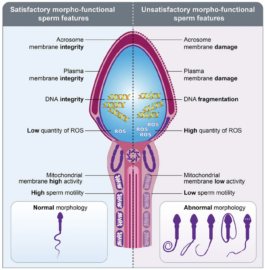
1. Prioritising an antioxidant-rich, whole-food diet - Base meals around colourful vegetables, leafy greens, berries, olive oil, nuts, seeds and quality protein. Diverse phytonutrients combat oxidative stress, one of the primary drivers of sperm damage. Aim for at least 5–7 serves of vegetables daily, with multiple colours represented.
2. Increase omega-3 fatty acid intake - Include oily fish such as sardines, salmon or mackerel 2–3 times per week, or consider a practitioner-prescribed omega-3 supplement. DHA is incorporated directly into the sperm membrane, improving flexibility and structural integrity, which supports fertilisation capacity.
A fantastic brand of wild caught sardines in olive oil
Ubiquinol is the optimal form of CoQ10
Zinc and Vitamin D - 2 key nutrients for sperm health
7. Regulate blood sugar and reduce visceral fat - Insulin resistance and central adiposity negatively affect testosterone and sperm production. Focus on balanced meals with protein, fibre and healthy fats to stabilise blood glucose and reduce inflammatory load.
Pumpkin seeds - rich in zinc, antioxidants (including Vitamin E), and magnesium
We need at least three months of consistent dietary and lifestyle interventions to meaningfully influence a new generation of sperm. While short-term antioxidant support can help protect sperm in the vulnerable pre-ejaculatory window, deeper improvements require sustained change. If you are trying to conceive, consider a semen analysis early and investigate DNA fragmentation in cases of unexplained infertility or recurrent miscarriage. Most importantly, begin optimising health at least three months prior to actively trying to conceive.
If you plan to contribute your sperm toward the conception of a child, your health matters! Male factor fertility should never be treated as an afterthought. Sperm quality is a reflection of overall health status and the condition of sperm at the time of fertilisation can influence pregnancy, pregnancy outcomes, early childhood development and lifelong wellbeing. True preconception care goes beyond simply falling pregnant, it is an opportunity to positively impact the health trajectory of the next generation.
If you’d like more personalised guidance on your health and fertility, feel free to reach out and book a consultation.
Author
Jacqueline Lovett
BHSc (Nat)
References:
Levine H, Jørgensen N, Martino-Andrade A, et al. Temporal trends in sperm count: a systematic review and meta-regression analysis of samples collected globally in the 20th and 21st centuries. Hum Reprod Update. 2023;29(2):157-176.
Lewis K, et al. Sperm concentration remains stable among fertile American men: a Agarwal A, Baskaran S, Selvam MK, et al. Sperm DNA fragmentation and male infertility: a clinical update. Transl Androl Urol. 2020;9(6):2931-2941.
Agarwal A, Majzoub A, Esteves SC, et al. Clinical utility of sperm DNA fragmentation testing: practice recommendations based on clinical scenarios. Transl Androl Urol. 2016;5(6):935-950.
Michaelsen MP, et al. The effect of dietary supplements on male infertility in terms of pregnancy, live birth, and sperm parameters: a systematic review and meta-analysis. Nutrients. 2025.
Bakri S, et al. Efficacy and safety of coenzyme Q10 in idiopathic male infertility: a systematic review and meta-analysis of randomized trials. World J Mens Health. 2025.
Warli SM, Septadi A, Warli MH, et al. Micronutrient supplementation in improving semen quality: systematic review and meta-analysis. J Urol Surg. 2026.
Bouhadana D, et al. The role of antioxidants in male fertility: a comprehensive review of mechanisms and clinical applications. Antioxidants (Basel). 2025.
Blending evidence-based medicine with traditional Naturopathic principles