The Journal
What I Really Think About Eating a Paleo Diet
July 14, 2019
The Paleo diet is based off eating in a similar style to the way we believe our paleolithic ancestors ate around 2.5 million years ago.
The premise is that due to the agricultural, industrial, and then food revolution, humans ceased their nomadic ways, stopped travelling and foraging for food, and decided to stay put and farm their own crops.
This drastic change in the way humans began to eat and live occurred in the last 10,000 years, which is a very small period of time compared to how long humans have been on this planet – eating in a very different way.
Has our physiology (specifically of our gastrointestinal system) adjusted to this change in diet? Perhaps. Perhaps not.
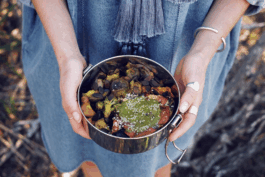
An accidental paleo meal I prepared for a picnic - omelette, veggies, pumpkin seeds, & a herby green dressing.
To keep things simple, when I refer to Paleo throughout this article I am referring to the below way of eating:
What is IN
- Meat
- Seafood
- Vegetables
- Fruits
- Nuts & seeds
What is OUT
· Grains
· Dairy
· Legumes
· Refined sugars
· Processed oils
It all sounds very simple when listed in this table, doesn’t it? I believe the majority of most people would choose the first way of eating over the second, no questions asked.
Therefore, the pros and cons of Paleo lie in the way you are eating it.
Are you eating deli meats three times a day, are you both Paleo and vegan (Pegan, it’s a thing!), do you eat eggs or do you react to them, are you eating lots of gluten-free pseudo grains – technically considered Paleo (quinoa, buckwheat, amaranth & teff, I am looking at you), are you eating a carnivore diet (100% meat, also a thing!), are you eating a cup of almond meal with every meal, if you can’t afford wild-caught & grass-fed animal products are you still a Paleo eater, what oils are ok and who decides this?
The confusion begins!
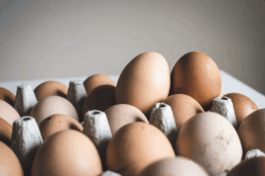
Eggs are in, thank goodness!
What is Great About Paleo
The Paleo way of eating, if done correctly, individualised to the ones’ specific needs, & involves consuming high-quality produce, can be a fantastic guide to eating well.
Some of the Pros *may include:
(*I specifically say may, as it ultimately depends on the way you are eating Paleo)
- A decrease in gastrointestinal symptoms
- Foods that may be causing unwanted symptoms are often eliminated – common culprits here include dairy (65% of the population are lactose intolerant post infancy), gluten (1 – 2% of the worldwide population have bene diagnosed with Coeliac Disease, the figures for non-Coeliac gluten sensitivity are thought to affect up to 10% of the population) legumes and grains that may irritate a compromised gut lining, and dirty white sugar.
- Foods that may be causing unwanted symptoms are often eliminated – common culprits here include dairy (65% of the population are lactose intolerant post infancy), gluten (1 – 2% of the worldwide population have bene diagnosed with Coeliac Disease, the figures for non-Coeliac gluten sensitivity are thought to affect up to 10% of the population) legumes and grains that may irritate a compromised gut lining, and dirty white sugar.
- More fruits & vegetables!
- Increased consumption of fruits and vegetables, which means more fibre, phytonutrients, antioxidants, essential vitamins & minerals.
- Increased consumption of fruits and vegetables, which means more fibre, phytonutrients, antioxidants, essential vitamins & minerals.
- Packaged and processed foods are out
- Paleo promotes eating real food and eating with the seasons – fruits & veggies are to be sourced locally in the seasons they are grown in – there is also an emphasis on pesticide-free/chemical-free/organic produce where possible. Eating ethically raised animals and respectfully using up whole animal and not just the ‘popular’ parts is promoted.
- Paleo promotes eating real food and eating with the seasons – fruits & veggies are to be sourced locally in the seasons they are grown in – there is also an emphasis on pesticide-free/chemical-free/organic produce where possible. Eating ethically raised animals and respectfully using up whole animal and not just the ‘popular’ parts is promoted.
- Fat > Sugar
- Many people end up swapping out sugar-laden snacks and meals for nutrient-dense, satisfying healthy fats, leading to blood sugar stability & regulation – less need to snack every hour or two, minimal bouts of hanger, & most importantly the elimination of an insulin-resistant state
- Many people end up swapping out sugar-laden snacks and meals for nutrient-dense, satisfying healthy fats, leading to blood sugar stability & regulation – less need to snack every hour or two, minimal bouts of hanger, & most importantly the elimination of an insulin-resistant state
- Weight loss
- Time and time again I have seen long-term, sustainable, healthy weight loss from changing over from a SAD diet (Standard Australian/American Diet) to a Paleo diet. However, it is important to note that the key driver of this weight loss is cutting out excess and refined carbohydrates – which can be achieved without going full Paleo!
- Time and time again I have seen long-term, sustainable, healthy weight loss from changing over from a SAD diet (Standard Australian/American Diet) to a Paleo diet. However, it is important to note that the key driver of this weight loss is cutting out excess and refined carbohydrates – which can be achieved without going full Paleo!
There are specific health conditions that benefit oh-so greatly from this way of eating – autoimmune conditions, gastrointestinal disorders including Crohn’s disease, Coeliac disease and Ulcerative Colitis, diseases driven by insulin-resistance; including obesity, Metabolic Syndrome, Type 2 Diabetes, and Polycystic Ovarian Syndrome (PCOS).
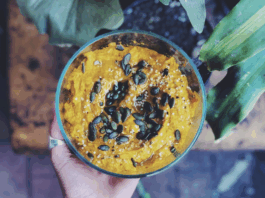
My paleo hummus, find the recipe here.
What Paleo People Need to be Aware Of
Some of the Cons *may include:
- Too much meat, poor quality meat
- I see this fatal error all too often. Meat becomes the staple of every meal, which I simply cannot advocate for (more detailed reasons listed below). If you eat meat on the Paleo diet, I suggest treating it like a condiment and focusing first on an abundance vegetables and healthy fats. Many Paleo meals can and should be vegetarian! And when eating animal products in your meals, it is an addition, not the main event.
- I see this fatal error all too often. Meat becomes the staple of every meal, which I simply cannot advocate for (more detailed reasons listed below). If you eat meat on the Paleo diet, I suggest treating it like a condiment and focusing first on an abundance vegetables and healthy fats. Many Paleo meals can and should be vegetarian! And when eating animal products in your meals, it is an addition, not the main event.
- A lack of fibre
- Cutting out wholegrains, legumes, and starchy vegetables will change your microbial diversity. There’s no two ways about it. The diverse, fibrous foods that feed your bacteria may be cut down substantially. The bacteria that live in your large intense adore fermenting non-soluble fibres such as legumes, grains, and starchy veggies. By doing so they create necessary and beneficial short chain fatty acids (SCFAs) which they use as fuel to keep your gastrointestinal epithelial lining robust & healthy.
- You know how we are all obsessed with the gut-brain axis at the moment? When we talk about where the majority of your happy hormones (serotonin, dopamine, noradrenaline) are created – this is the exact spot! How to fix this? Simple! Make sure you are eating plenty of veggies, fruits, nuts & seeds. Try my nutrient dense green smoothie - full of fruits & veggies!
- Going too low with carbohydrates
- Carbohydrate intake is extremely individual and changing this intake will affect everyone differently. Less than 150-200g/daily of carbohydrate intake daily may alter or even cease your menstrual cycle. If your cycle started to change for the worse when you went Paleo (it can certainly also change for the better!) please increase your carbohydrate intake or seek advice from a health professional who can structure a balanced dietary plan with you.
- Carbohydrate intake is extremely individual and changing this intake will affect everyone differently. Less than 150-200g/daily of carbohydrate intake daily may alter or even cease your menstrual cycle. If your cycle started to change for the worse when you went Paleo (it can certainly also change for the better!) please increase your carbohydrate intake or seek advice from a health professional who can structure a balanced dietary plan with you.
I cannot say that I believe fermented and sprouted wholegrains and legumes, starchy vegetables, or good quality, full-fat dairy are the devils here. They can and do make up part of a healthy, wholefood diets.
Demonising certain foods and/or food groups can lead to a restrictive way of eating, something I never want for anyone.
Life is complicated enough without having a long list of ‘safe’ and ‘banned’ foods, ‘clean’ and ‘dirty’ foods – the latter is my personal, least-favourite way of describing food. It is either food, or it is not. Unless you’re talking about the dirt that covers potatoes when they’re just plucked from the ground, I do not advocate using these words used to describe food!
My advice would be to adopt the principles of Paleo that appeal and suit you.
It is a gentle, flexible, and less-restrictive approach that still results in great health outcomes. Ditching the processed sugar and refined carbohydrates is the number one thing you can do for your health, today. Paleo or not, this is beneficial for everybody.
I hope this article has provided you with accessible information so you can make up your own mind on whether Paleo is a way of eating that appeals to you. And if it does, how to best approach it in a healthy, balanced, and bio-individualised manner.
Any questions? Please leave them below & I will happily answer them.
Jaclyn is a qualified Naturopath with a focus on hormonal complaints, cycle health, reproductive and fertility care, skin issues, and adrenal health.
Author
Jaclyn Cave
BHSc (Nat), BComm (Soc)
Masters Womens Health Med (UNSW)
References:
https://ghr.nlm.nih.gov/condition/lactose-intolerance
https://www.ncbi.nlm.nih.gov/pmc/articles/PMC5437500/
https://www.mja.com.au/journal/2017/207/4/coeliac-disease-review-diagnosis-and-management
https://www.pharmaceutical-journal.com/news-and-analysis/features/non-coeliac-gluten-sensitivity-a-look-at-the-evidence-behind-the-headlines/11132494.article?firstPass=false
The Journal
What I Really Think About Eating a Paleo Diet
July 14, 2019
The Paleo diet is based off eating in a similar style to the way we believe our paleolithic ancestors ate around 2.5 million years ago.
The premise is that due to the agricultural, industrial, and then food revolution, humans ceased their nomadic ways, stopped travelling and foraging for food, and decided to stay put and farm their own crops.
This drastic change in the way humans began to eat and live occurred in the last 10,000 years, which is a very small period of time compared to how long humans have been on this planet – eating in a very different way.
Has our physiology (specifically of our gastrointestinal system) adjusted to this change in diet? Perhaps. Perhaps not.
An accidental paleo meal I prepared for a picnic - omelette, veggies, pumpkin seeds, & a herby green dressing.
To keep things simple, when I refer to Paleo throughout this article I am referring to the below way of eating:
What is IN
- Meat
- Seafood
- Vegetables
- Fruits
- Nuts & seeds
What is OUT
· Grains
· Dairy
· Legumes
· Refined sugars
· Processed oils
It all sounds very simple when listed in this table, doesn’t it? I believe the majority of most people would choose the first way of eating over the second, no questions asked.
Therefore, the pros and cons of Paleo lie in the way you are eating it.
Are you eating deli meats three times a day, are you both Paleo and vegan (Pegan, it’s a thing!), do you eat eggs or do you react to them, are you eating lots of gluten-free pseudo grains – technically considered Paleo (quinoa, buckwheat, amaranth & teff, I am looking at you), are you eating a carnivore diet (100% meat, also a thing!), are you eating a cup of almond meal with every meal, if you can’t afford wild-caught & grass-fed animal products are you still a Paleo eater, what oils are ok and who decides this?
The confusion begins!
Eggs are in, thank goodness!
What is Great About Paleo
The Paleo way of eating, if done correctly, individualised to the ones’ specific needs, & involves consuming high-quality produce, can be a fantastic guide to eating well.
Some of the Pros *may include:
(*I specifically say may, as it ultimately depends on the way you are eating Paleo)
- A decrease in gastrointestinal symptoms
- Foods that may be causing unwanted symptoms are often eliminated – common culprits here include dairy (65% of the population are lactose intolerant post infancy), gluten (1 – 2% of the worldwide population have bene diagnosed with Coeliac Disease, the figures for non-Coeliac gluten sensitivity are thought to affect up to 10% of the population) legumes and grains that may irritate a compromised gut lining, and dirty white sugar.
- Foods that may be causing unwanted symptoms are often eliminated – common culprits here include dairy (65% of the population are lactose intolerant post infancy), gluten (1 – 2% of the worldwide population have bene diagnosed with Coeliac Disease, the figures for non-Coeliac gluten sensitivity are thought to affect up to 10% of the population) legumes and grains that may irritate a compromised gut lining, and dirty white sugar.
- More fruits & vegetables!
- Increased consumption of fruits and vegetables, which means more fibre, phytonutrients, antioxidants, essential vitamins & minerals.
- Increased consumption of fruits and vegetables, which means more fibre, phytonutrients, antioxidants, essential vitamins & minerals.
- Packaged and processed foods are out
- Paleo promotes eating real food and eating with the seasons – fruits & veggies are to be sourced locally in the seasons they are grown in – there is also an emphasis on pesticide-free/chemical-free/organic produce where possible. Eating ethically raised animals and respectfully using up whole animal and not just the ‘popular’ parts is promoted.
- Paleo promotes eating real food and eating with the seasons – fruits & veggies are to be sourced locally in the seasons they are grown in – there is also an emphasis on pesticide-free/chemical-free/organic produce where possible. Eating ethically raised animals and respectfully using up whole animal and not just the ‘popular’ parts is promoted.
- Fat > Sugar
- Many people end up swapping out sugar-laden snacks and meals for nutrient-dense, satisfying healthy fats, leading to blood sugar stability & regulation – less need to snack every hour or two, minimal bouts of hanger, & most importantly the elimination of an insulin-resistant state
- Many people end up swapping out sugar-laden snacks and meals for nutrient-dense, satisfying healthy fats, leading to blood sugar stability & regulation – less need to snack every hour or two, minimal bouts of hanger, & most importantly the elimination of an insulin-resistant state
- Weight loss
- Time and time again I have seen long-term, sustainable, healthy weight loss from changing over from a SAD diet (Standard Australian/American Diet) to a Paleo diet. However, it is important to note that the key driver of this weight loss is cutting out excess and refined carbohydrates – which can be achieved without going full Paleo!
- Time and time again I have seen long-term, sustainable, healthy weight loss from changing over from a SAD diet (Standard Australian/American Diet) to a Paleo diet. However, it is important to note that the key driver of this weight loss is cutting out excess and refined carbohydrates – which can be achieved without going full Paleo!
There are specific health conditions that benefit oh-so greatly from this way of eating – autoimmune conditions, gastrointestinal disorders including Crohn’s disease, Coeliac disease and Ulcerative Colitis, diseases driven by insulin-resistance; including obesity, Metabolic Syndrome, Type 2 Diabetes, and Polycystic Ovarian Syndrome (PCOS).
My paleo hummus, find the recipe here.
What Paleo People Need to be Aware Of
Some of the Cons *may include:
- Too much meat, poor quality meat
- I see this fatal error all too often. Meat becomes the staple of every meal, which I simply cannot advocate for (more detailed reasons listed below). If you eat meat on the Paleo diet, I suggest treating it like a condiment and focusing first on an abundance vegetables and healthy fats. Many Paleo meals can and should be vegetarian! And when eating animal products in your meals, it is an addition, not the main event.
- I see this fatal error all too often. Meat becomes the staple of every meal, which I simply cannot advocate for (more detailed reasons listed below). If you eat meat on the Paleo diet, I suggest treating it like a condiment and focusing first on an abundance vegetables and healthy fats. Many Paleo meals can and should be vegetarian! And when eating animal products in your meals, it is an addition, not the main event.
- A lack of fibre
- Cutting out wholegrains, legumes, and starchy vegetables will change your microbial diversity. There’s no two ways about it. The diverse, fibrous foods that feed your bacteria may be cut down substantially. The bacteria that live in your large intense adore fermenting non-soluble fibres such as legumes, grains, and starchy veggies. By doing so they create necessary and beneficial short chain fatty acids (SCFAs) which they use as fuel to keep your gastrointestinal epithelial lining robust & healthy.
- You know how we are all obsessed with the gut-brain axis at the moment? When we talk about where the majority of your happy hormones (serotonin, dopamine, noradrenaline) are created – this is the exact spot! How to fix this? Simple! Make sure you are eating plenty of veggies, fruits, nuts & seeds. Try my nutrient dense green smoothie - full of fruits & veggies!
- Going too low with carbohydrates
- Carbohydrate intake is extremely individual and changing this intake will affect everyone differently. Less than 150-200g/daily of carbohydrate intake daily may alter or even cease your menstrual cycle. If your cycle started to change for the worse when you went Paleo (it can certainly also change for the better!) please increase your carbohydrate intake or seek advice from a health professional who can structure a balanced dietary plan with you.
- Carbohydrate intake is extremely individual and changing this intake will affect everyone differently. Less than 150-200g/daily of carbohydrate intake daily may alter or even cease your menstrual cycle. If your cycle started to change for the worse when you went Paleo (it can certainly also change for the better!) please increase your carbohydrate intake or seek advice from a health professional who can structure a balanced dietary plan with you.
I cannot say that I believe fermented and sprouted wholegrains and legumes, starchy vegetables, or good quality, full-fat dairy are the devils here. They can and do make up part of a healthy, wholefood diets.
Demonising certain foods and/or food groups can lead to a restrictive way of eating, something I never want for anyone.
Life is complicated enough without having a long list of ‘safe’ and ‘banned’ foods, ‘clean’ and ‘dirty’ foods – the latter is my personal, least-favourite way of describing food. It is either food, or it is not. Unless you’re talking about the dirt that covers potatoes when they’re just plucked from the ground, I do not advocate using these words used to describe food!
My advice would be to adopt the principles of Paleo that appeal and suit you.
It is a gentle, flexible, and less-restrictive approach that still results in great health outcomes. Ditching the processed sugar and refined carbohydrates is the number one thing you can do for your health, today. Paleo or not, this is beneficial for everybody.
I hope this article has provided you with accessible information so you can make up your own mind on whether Paleo is a way of eating that appeals to you. And if it does, how to best approach it in a healthy, balanced, and bio-individualised manner.
Any questions? Please leave them below & I will happily answer them.
Jaclyn is a qualified Naturopath with a focus on hormonal complaints, cycle health, reproductive and fertility care, skin issues, and adrenal health.
Author
Jaclyn Cave
BHSc (Nat), BComm (Soc)
Masters Womens Health Med (UNSW)
References:
https://ghr.nlm.nih.gov/condition/lactose-intolerance
https://www.ncbi.nlm.nih.gov/pmc/articles/PMC5437500/
https://www.mja.com.au/journal/2017/207/4/coeliac-disease-review-diagnosis-and-management
https://www.pharmaceutical-journal.com/news-and-analysis/features/non-coeliac-gluten-sensitivity-a-look-at-the-evidence-behind-the-headlines/11132494.article?firstPass=false
Blending evidence-based medicine with traditional Naturopathic principles