The Journal
Simple Swaps for a Healthier Home
Aug 19, 2026
A Naturopath's guide to lower tox living - what to look out for in everyday products, and simple, achievable swaps for your home, skincare and kitchen (not sponsored!)
The phrase “low tox” gets thrown around a lot online, and it can start to feel overwhelming, like there’s a hidden danger in every cupboard. That’s not the goal of this post. Living low tox isn’t about achieving a perfectly “clean” home overnight, or panicking over every product you own. It’s simply about becoming aware of a few common categories of everyday chemicals, and making gradual swaps where they’re easy to make.
What are we actually talking about?
Many everyday products, such as plastics, cleaning products, cosmetics and cookware contain small amounts of synthetic compounds that can interact with our hormones. These are often called endocrine-disrupting chemicals, or EDCs for short.
They’re incredibly common, but the good news is that once you know where to look, reducing your everyday exposure is often simpler than it sounds, and it’s the accumulated, everyday reduction that matters most.
Here are the main categories worth knowing about:
→ Plastics (BPA and friends)
BPA is a chemical used to make hard, clear plastics. Think plastic water bottles, the lining of tinned food, and thermal receipts. It’s so widespread that it now turns up in almost everyone’s system.
You’ll increasingly see “BPA-free” on packaging, which sounds reassuring, but many BPA-free plastics simply use a very similar substitute chemical, thought to behave in much the same way. The most reliable approach is to reduce plastic contact with food generally, rather than relying on the BPA-free label.
Where to start:
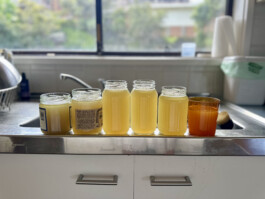
- Store and reheat food in glass, stainless steel or ceramic instead of plastic
- Reuse glass jars as storage vessels
- Wrap your food in beeswax wraps instead of plastic
- Avoid plastic wrap (glad wrap), put a plate over your food if using a microwave
- Stainless steel or glass drink bottles
- Choose BPA-free tinned goods, or opt for foods in jars or fresh where possible
- Skip printed receipts where you can (or avoid handling them right after using hand sanitiser)
Our picks:
- Seed and Sprout
- Glass containers (we like these ones)
- Beeswax wraps
→ Personal care products (parabens and phthalates)
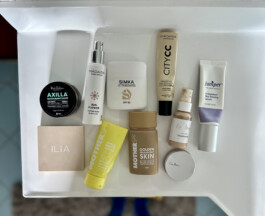
Parabens (a common preservative) and phthalates (used to help fragrances last, and in many plastics) show up in a huge range of everyday personal care products such as moisturisers, makeup, shampoo, nail polish, perfume and deodorant.Leave-on products like moisturiser and makeup tend to matter more here than wash-off products like shampoo, simply because of the length of skin contact time.
Where to start:
- Start with the products you leave on your skin longest (moisturiser, foundation) rather than trying to replace everything at once
- Look for “paraben-free” and “phthalate-free” on labels
- Fragrance-free or naturally-scented products are an easy way to reduce phthalate exposure, since synthetic “fragrance” is one of the most common carriers
- When it comes to perfumes, save these for a special occasion and never spray directly on your skin
Our picks:
- Cosmetics, skin care and body wash - LaMav, Mukti Organics, Weleda, Juniper, Moo Goo, The Jojoba Company, Dr Bronner’s, Koala Eco, Wotnot Naturals, MAAEMO, Dermaviduals, Prologic
- Sunscreens - Mother SPF, Moo Goo, Simka
- Deodorants - Woo Hoo, No Pong, Black Chicken Remedies
- Hair care - Mukti Organics, Moo Goo
- Makeup - Inika, Ere Perez, Madara
- Lip balm - Hurraw
- Toothpaste - Red Seal, Grants, Peg Paste, Grin Pro
- Nail polish - Sienna
→ Cleaning products
Conventional cleaning products can contain a mix of synthetic fragrances and other compounds that add up over time, particularly with frequent use in an enclosed home environment.
Where to start:
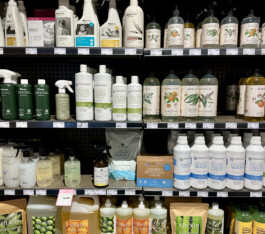
- Choose fragrance-free or plant-based cleaning products
- A simple DIY mix of white vinegar and antimicrobial essential oils (like tea tree or eucalyptus) covers a lot of everyday cleaning needs
- Ventilate while cleaning, especially with stronger products
- Try this DIY all-purpose spray: In a reusable glass spray bottle, combine half white vinegar, a splash of castile soap, and top with filtered water. Add a few drops of tea tree, lemon and eucalyptus essential oil, and shake well before each use.
Our picks:
- Koala Eco - Woolworths, Harris Farm
- Eco Store - QE stores, Woolworths, Coles, Officeworks
- Bosistos - Woolworths
- Dr Bronner’s - The Iconic, Adore Beauty, Go Vita, Priceline, QE stores
- Abode
- Koh Cleaning
- The Dirt Company
- SimplyClean
- KinKin Naturals
→ “Forever chemicals” (PFAS) in packaging and textiles
PFAS are a large group of chemicals valued for being heat, grease and water-resistant. You’ll find them in some takeaway packaging, non-stick cookware, and water-resistant fabrics (think raincoats or activewear).
Where to start:
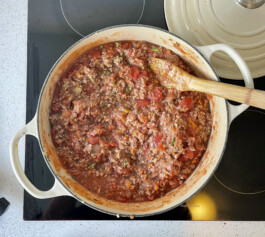
- Choose stainless steel or cast iron cookware over non-stick where practical
- Air out new furniture, carpet or textiles where possible, as some off-gas over time
Our picks:
- ScanPan for stainless steel
- Crumble
- Solidteknics
- Le Creuset - ceramic and stainless steel cookware only
- Boody for intimate wear and base layers
- Activewear - Zubek, Boody, Nagnata, Indigo Luna, Olessa, Wildbody Australia, Alchemical Fightwear
→ Quality animal proteins
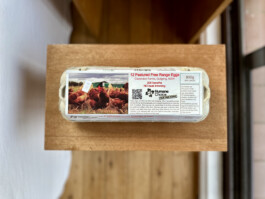
The quality of the animal products you choose (meat, dairy, eggs and fish) matters just as much as avoiding plastics or fragrances. Grass-fed, pasture-raised and organic options tend to carry less residue from pesticides, antibiotics and added hormones, and often come with a better nutrient and fat profile too.
Where to start:
- Meat - when your budget allows, reach for grass-fed or organic
- Eggs - pasture-raised or organic free-range
- Fish - wild caught and smaller fish like sardines, anchovies, whiting, mackerel are lower in mercury than shark, swordfish and marlin
Our picks:
- Your local farmers market!
- The Good Farm
- Locavore
- Butcher Crowd
- Cape Grim, Cleavers - Harris Farm
- Macro, Cleavers - Woolworths
- Seafood - The One That Got Away, Butcher Crowd
→ Filtering your water
A simple way to reduce exposure to things like chlorine by-products, trace heavy metals from old plumbing, and other contaminants that can vary depending where you live. In an ideal world, we would aim to drink water that has filtered out chlorine, fluoride AND microplastics and PFAs (most carbon filters only do one or the other), followed by remineralising the water.
Where to start:
- UV filters - great for bacteria or parasites e.g. if you have a rainwater tank. But these don’t remove chemicals or heavy metals
- Ceramic filters - simple and effective without needing electricity, but more limited when it comes to fluoride and heavy metals
- Reverse osmosis systems - removes most contaminants, though can also strip beneficial minerals (need to remineralise)
- Carbon filters - good for chlorine, limited with fluoride and some chemicals
Our picks:
You don’t need to overhaul your entire home this week, as we all know that is not realistic. A good approach is to replace things gradually as they run out or wear out, starting with whichever category feels most achievable to you.
→ Simple starting points:
- Over time, swap plastic food containers for glass.
- When you next run out of a personal care product, replace it with a version from one of the brands from the lists above e.g. starting with deodorants and body wash first, leaving more individual choices such as cosmetics and haircare last.
- Swap harsh, fragranced laundry and dishwashing powders to fragrance free, more natural versions.
- Try to avoid perfume, swap to an essential oil perfume, or save it for special occasions only, but spray it on your clothing and not directly on your skin.
- Trial ordering some grass-fed meat and/or wild caught seafood online.
- Swap 1 teflon pan for a ceramic pan.
- When replacing your activewear, try one item from a low-tox range and see how you like it.
- Start with a water filter jug that aligns with your budget.
- But overall, be kind to yourself in the process - drop the guilt, drop the judgement and set realistic limits for yourself and others.
Author
Jacqueline Lovett
BHSc (Nat)