The Journal
How to tell if you have PCOS
April 28, 2021
I see women every single week who are confused about what PCOS is and what this might mean for their health. Many clients suspect they may have it, are completely unsure whether it is relevant for them or not, have been told they have polycystic ovaries with no other context, may have been diagnosed with PCOS via an ultrasound only, put on Metformin without testing fasting insulin, are told they are 'infertile' with no other support given… You name a PCOS scenario and it is likely that I have heard about it!
It is for this reason I wanted to spend some time explaining what PCOS means, what it is, how it is diagnosed, and what it can look like symptom-wise.
First things first, what is PCOS?
Polycystic ovary syndrome is an endocrine (meaning hormonal) disorder that affects between 4% - 20% of women worldwide. This condition is not a single disease, symptom, or blood marker. It is a set of symptoms, a syndrome, meaning that no single diagnostic criteria is sufficient for clinical diagnosis. Which can make it a difficult syndrome to diagnose, and an easy one to misdiagnose!
In order to be diagnosed with this condition by a GP, a woman must meet two out of the following criteria:
1. Irregular periods
- Also known as oligomenorrhoea
- This is defined as:
- Less than 8 periods per year
- More than 3 months with no period
- Cycles consistently longer than 35 days
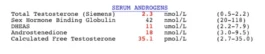
2. Androgen excess
- This is assessed via symptoms:
- Acne
- Hirsutism – excess hair growth commonly on the upper lip, chin, jawline, neck
- Female pattern hair loss or thinning
- Or biochemical evidence:
- Elevated androgens on bloodwork
- Includes the hormones testosterone, androstenedione, DHEAS, and FAI
- Between 60 – 80% of women with PCOS have elevated testosterone, and around 25% have high DHEAS
3. Polycystic ovaries on ultrasound
- Defined as the presence of over 12 follicles on each ovary
- However, this marker is the most unreliable
- This is because polycystic ovaries (not the syndrome, but the presence of them) can be a transient state (in adolescence, post-pill, or in hypothalamic amenorrhea) and 70% of menstruating women have PCO on US
It is important to note here that PCOS cannot be diagnosed via ultrasound. That is only one of three criteria, and it is certainly not the most effective nor relevant investigation for the reasons I have mentioned above.
Additionally, when we use the word cysts, this is rather misleading. ‘Cysts’ refer to the normal follicles women develop on their ovaries, that are then released during ovulation. When ovulation doesn’t occur regularly, these follicles stay on the ovary and therefore build up over time. This is why many ‘follicles’ can be seen upon ultrasound - they are simple unreleased follicles waiting to be released!
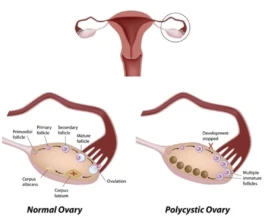
These follicles do not cause pain or any other adverse symptoms. If you experience period pain and have been diagnosed with PCOS, please know that the pain is unrelated to this syndrome and needs to be further investigated in order to be properly addressed. Pain is not a symptom of PCOS. It can occur alongside PCOS, but PCOS will not be the cause. If you are suffering with period pain, I suggest reading this blog.
The symptoms of PCOS can be broken down into three categories:
1. Clinical
- Irregular cycles
- Acne
- Excess hair growth
- Alopecia, hair loss
- Subfertility
- Recurrent miscarriages
2. Endocrine
- Elevated male hormones
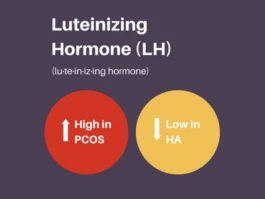
- High LH levels
- Elevated levels of oestrogen
- Elevated levels of prolactin
- Low progesterone
3. Metabolic
- 65 – 70% of PCOS women have insulin resistance
- Higher weight
- Cholesterol abnormalities
- Increased risk of type 2 diabetes
What other conditions can PCOS be mistaken for?
- Adolescence
- Obviously not a condition, but an important one to include! During teenage years irregular cycles, polycystic ovaries and acne can be common symptoms. This is why PCOS should not and cannot be diagnosed during this time. If you received a diagnosis of PCOS within three years of your first period, I suggest seeking a second opinion
- Obviously not a condition, but an important one to include! During teenage years irregular cycles, polycystic ovaries and acne can be common symptoms. This is why PCOS should not and cannot be diagnosed during this time. If you received a diagnosis of PCOS within three years of your first period, I suggest seeking a second opinion
- Hypothalamic amenorrhea (HA)
- This can present with similar symptoms to PCOS including no or irregular cycles, polycystic ovaries, low progesterone, subfertility, possible hirsutism, and hair loss
- This can present with similar symptoms to PCOS including no or irregular cycles, polycystic ovaries, low progesterone, subfertility, possible hirsutism, and hair loss
- Hypothyroidism or Hashimotos
- Cross-over symptoms include irregular or no cycles, insulin resistance, elevated prolactin, and higher body weight
- Cross-over symptoms include irregular or no cycles, insulin resistance, elevated prolactin, and higher body weight
- Prolactinoma
- Elevated prolactin levels can impair ovulation, cause acne and excess hair growth
- Elevated prolactin levels can impair ovulation, cause acne and excess hair growth
- Congenital adrenal hyperplasia
- CAH may present with irregular cycles, acne and excess hair growth
- CAH may present with irregular cycles, acne and excess hair growth
- Androgen secreting tumours
- These can lead to elevated androgens and associated symptoms such as acne, excess hair growth, and hair loss
When a woman comes to see me with any symptoms I have listed in this blog, suspected PCOS, or a diagnosis of PCOS, it is important to review her physical signs, symptoms and concerns, menstrual history, hormone and nutrient levels, current medication and supplement use, and any additional pathology or testing that has been completed. From here, a treatment plan addressing her specific concerns relating to PCOS and relevant areas of health, with education around lifestyle and dietary factors that may be influencing her current health state is key.
Because the symptoms and presentation of PCOS vary greatly between women, it is important to individualise treatment accordingly.
If you would like to read about some of the ways I support PCOS in clinic, you may find the following articles helpful:
I hope that this article has been helpful for you and informative regarding what PCOS is, what it can look like, how it is diagnosed, and what this might mean for a woman presenting with some these symptoms. I hope that you feel like you have a place to start in discussing your health symptoms and concerns with a practitioner, if that is relevant for you.
Please leave any questions you may have regarding PCOS below, and I will happily answer them. Thank you for reading!
If you are looking for individualised support PCOS or other hormonal condition, please get in touch by booking in a session here.
Jaclyn is a qualified Naturopath with a focus on hormonal complaints, cycle health, reproductive and fertility care, skin issues, and adrenal health.
Author
Jaclyn Cave
BHSc (Nat), BComm (Soc)
Masters Womens Health Med (UNSW)
References:
https://www.ncbi.nlm.nih.gov/pmc/articles/PMC7879843/
https://www.ncbi.nlm.nih.gov/pmc/articles/PMC2909929/
https://www.ncbi.nlm.nih.gov/pmc/articles/PMC3218544/
https://www.racgp.org.au/afp/2012/october/polycystic-ovary-syndrome/
Hechtman, Leah (2020). Advanced Clinical Naturopathic Medicine. Elsevier Health, UK.
The Journal
How to tell if you have PCOS
April 28, 2021
I see women every single week who are confused about what PCOS is and what this might mean for their health. Many clients suspect they may have it, are completely unsure whether it is relevant for them or not, have been told they have polycystic ovaries with no other context, may have been diagnosed with PCOS via an ultrasound only, put on Metformin without testing fasting insulin, are told they are 'infertile' with no other support given… You name a PCOS scenario and it is likely that I have heard about it!
It is for this reason I wanted to spend some time explaining what PCOS means, what it is, how it is diagnosed, and what it can look like symptom-wise.
First things first, what is PCOS?
Polycystic ovary syndrome is an endocrine (meaning hormonal) disorder that affects between 4% - 20% of women worldwide. This condition is not a single disease, symptom, or blood marker. It is a set of symptoms, a syndrome, meaning that no single diagnostic criteria is sufficient for clinical diagnosis. Which can make it a difficult syndrome to diagnose, and an easy one to misdiagnose!
In order to be diagnosed with this condition by a GP, a woman must meet two out of the following criteria:
1. Irregular periods
- Also known as oligomenorrhoea
- This is defined as:
- Less than 8 periods per year
- More than 3 months with no period
- Cycles consistently longer than 35 days
2. Androgen excess
- This is assessed via symptoms:
- Acne
- Hirsutism – excess hair growth commonly on the upper lip, chin, jawline, neck
- Female pattern hair loss or thinning
- Or biochemical evidence:
- Elevated androgens on bloodwork
- Includes the hormones testosterone, androstenedione, DHEAS, and FAI
- Between 60 – 80% of women with PCOS have elevated testosterone, and around 25% have high DHEAS
3. Polycystic ovaries on ultrasound
- Defined as the presence of over 12 follicles on each ovary
- However, this marker is the most unreliable
- This is because polycystic ovaries (not the syndrome, but the presence of them) can be a transient state (in adolescence, post-pill, or in hypothalamic amenorrhea) and 70% of menstruating women have PCO on US
It is important to note here that PCOS cannot be diagnosed via ultrasound. That is only one of three criteria, and it is certainly not the most effective nor relevant investigation for the reasons I have mentioned above.
Additionally, when we use the word cysts, this is rather misleading. ‘Cysts’ refer to the normal follicles women develop on their ovaries, that are then released during ovulation. When ovulation doesn’t occur regularly, these follicles stay on the ovary and therefore build up over time. This is why many ‘follicles’ can be seen upon ultrasound - they are simple unreleased follicles waiting to be released!
These follicles do not cause pain or any other adverse symptoms. If you experience period pain and have been diagnosed with PCOS, please know that the pain is unrelated to this syndrome and needs to be further investigated in order to be properly addressed. Pain is not a symptom of PCOS. It can occur alongside PCOS, but PCOS will not be the cause. If you are suffering with period pain, I suggest reading this blog.
The symptoms of PCOS can be broken down into three categories:
1. Clinical
- Irregular cycles
- Acne
- Excess hair growth
- Alopecia, hair loss
- Subfertility
- Recurrent miscarriages
2. Endocrine
- Elevated male hormones
- High LH levels
- Elevated levels of oestrogen
- Elevated levels of prolactin
- Low progesterone
3. Metabolic
- 65 – 70% of PCOS women have insulin resistance
- Higher weight
- Cholesterol abnormalities
- Increased risk of type 2 diabetes
What other conditions can PCOS be mistaken for?
- Adolescence
- Obviously not a condition, but an important one to include! During teenage years irregular cycles, polycystic ovaries and acne can be common symptoms. This is why PCOS should not and cannot be diagnosed during this time. If you received a diagnosis of PCOS within three years of your first period, I suggest seeking a second opinion
- Obviously not a condition, but an important one to include! During teenage years irregular cycles, polycystic ovaries and acne can be common symptoms. This is why PCOS should not and cannot be diagnosed during this time. If you received a diagnosis of PCOS within three years of your first period, I suggest seeking a second opinion
- Hypothalamic amenorrhea (HA)
- This can present with similar symptoms to PCOS including no or irregular cycles, polycystic ovaries, low progesterone, subfertility, possible hirsutism, and hair loss
- This can present with similar symptoms to PCOS including no or irregular cycles, polycystic ovaries, low progesterone, subfertility, possible hirsutism, and hair loss
- Hypothyroidism or Hashimotos
- Cross-over symptoms include irregular or no cycles, insulin resistance, elevated prolactin, and higher body weight
- Cross-over symptoms include irregular or no cycles, insulin resistance, elevated prolactin, and higher body weight
- Prolactinoma
- Elevated prolactin levels can impair ovulation, cause acne and excess hair growth
- Elevated prolactin levels can impair ovulation, cause acne and excess hair growth
- Congenital adrenal hyperplasia
- CAH may present with irregular cycles, acne and excess hair growth
- CAH may present with irregular cycles, acne and excess hair growth
- Androgen secreting tumours
- These can lead to elevated androgens and associated symptoms such as acne, excess hair growth, and hair loss
Author
Jaclyn Cave
BHSc (Nat), BComm (Soc)
Masters Womens Health Med (UNSW)
References:
https://www.ncbi.nlm.nih.gov/pmc/articles/PMC7879843/
https://www.ncbi.nlm.nih.gov/pmc/articles/PMC2909929/
https://www.ncbi.nlm.nih.gov/pmc/articles/PMC3218544/
https://www.racgp.org.au/afp/2012/october/polycystic-ovary-syndrome/
Hechtman, Leah (2020). Advanced Clinical Naturopathic Medicine. Elsevier Health, UK.
Blending evidence-based medicine with traditional Naturopathic principles