The Journal
A Practical Guide to Protein in Pregnancy and Breastfeeding
January 13, 2026
I suggest focusing on small, beige, easy-to-digest protein sources such as yoghurt, toast with nut butters, or smoothies with protein powder (eggs are fabulous so long as you don’t have the dreaded yet common trimester 1 egg ick)!
- Breakfast: Scrambled eggs (3-4 eggs = 18–24 g protein) with cheese and toast
- Snack: Full-fat Greek yogurt (20g protein/cup) topped with nuts or paleo granola
- Easy meal option: My high protein chocolate milkshake (35g protein from yoghurt, protein/collagen powder, and PB). Add lots of ice and consider adding ginger if feeling nauseous!

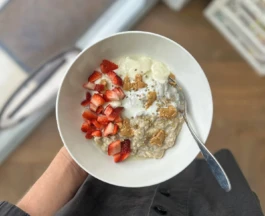
- Breakfast: Overnight oats or porridge with collagen, full-fat yogurt, and nut butter (30g protein total)
- Lunch/Dinner: Grilled chicken salad with spinach, avocado, sweet potato, chickpeas and a handful of nuts (30-35g protein)
- Snack: Apple slices with almond or peanut butter or full fat cheese and Marys crackers
- Breakfast: 3-4 large eggs, 1/4 cup grated cheddar, toast, avocado, and kimchi (30g+ protein pending on egg size)
- Lunch/Dinner: Baked salmon (120g salmon fillet = 24g protein) or chicken (100g chicken breast = 31g protein) with veggies and a side of lentils
- Snack: 1/2 cup cottage cheese (Barambah Organics brand = 12g protein) with fresh berries, or a Chief protein bar (= 14-17g protein)

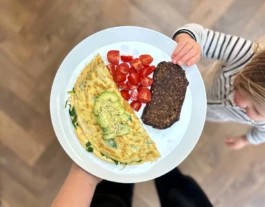
- Breakfast: A 3-4 egg omelette with spinach and feta, hemp seeds, and seedy toast. Or porridge with protein powder/collagen and an egg stirred through (35g+ for either option)
- Lunch/Dinner: Slow-cooked pulled pork or beef with pumpkin, greens and quinoa (35 - 40g protein pending on serving size)
- Snack: Greek yogurt with protein powder and cinnamon stirred through, topped with nuts, or a FODBODs protein bar (15g protein)
A note on carbohydrates and fats
While carbohydrates and fats are of course vital, their requirements don’t increase as dramatically. Conventional guidelines suggest 45-65% of energy from complex carbohydrates (minimum 175g/day) - however emerging evidence shows many women thrive on lower amounts (eg 75–150g/day) pending individual blood sugar tolerance. Focus on quality carbs with higher fibre levels from nutrient-dense sources such as vegetables, fruits, wholegrains, nuts, and full-fat dairy.
For fats, aim for 20–35% from whole food sources - avocados, nuts, olive oil, eggs, and fatty fish. Focus on including a minimum of 250mg DHA daily from omega-3-rich seafood like salmon or sardines, or supplements if needed, for optimal brain and eye development.
In summary
Protein is the nutrient that shows the steepest, most critical rise throughout pregnancy and remain elevated during breastfeeding to support the intense biological demands of fetal growth, maternal adaptation, and milk production.
Start with a minimum of around 80g daily in the first half of pregnancy, increasing to a minimum of 100g in the third trimester, and maintain these higher levels while breastfeeding.
Spread protein across the day for steady energy and blood sugar control, and adjust portion sizes according to how your digestion feels - especially in later pregnancy. Protein truly is the foundation for a healthy pregnancy and a strong start for your baby.
If you would like nutritional support during trying to conceive, pregnancy, breastfeeding, or post-partum, please reach out for one-on-one support. I’d love to help you optimise your diet and feel your best during these precious (and protein dense) times!
Author
Jaclyn Cave
BHSc (Nat), BComm (Soc)
Masters Womens Health Med (UNSW)
References:
- Murphy MM, Higgins KA, Bi X, Barraj LM. 2021. Adequacy and Sources of Protein Intake among Pregnant Women in the United States, NHANES 2003–2012. Nutrients, 13(3):795.
- Jouanne M, Oddoux S, Noël A, Voisin-Chiret AS. 2021. Nutrient Requirements during Pregnancy and Lactation. Nutrients, 13(2):692.
- Elango R, Ball RO. 2016. Protein and Amino Acid Requirements during Pregnancy. Advances in Nutrition, 7(4):839S-844S.
- Marshall NE, Abrams B, Barbour LA, Catalano P, Christian P, Friedman JE, Hay WW Jr, Hernandez TL, Krebs NF, Oken E, Purnell JQ, Roberts JM, Soltani H, Wallace J, Thornburg KL. 2022. The Importance of Nutrition in Pregnancy and Lactation: Lifelong Consequences. American Journal of Obstetrics and Gynecology, 226(5):607-632.
- Koletzko B, Lapolla A, Dalfrà MG, Burlina S, Maranghi M, Napoli A, Scibetta E, Torlone E, Vitacolonna E, Dalfra MG. 2021. Medical Nutrition Therapy in Physiological Pregnancy and in Pregnancy Complicated by Obesity and/or Diabetes: SID-AMD Recommendations. Acta Diabetologica, 58(10):1287-1301.
- Rasmussen KM, Yaktine AL, editors. 2009. Weight Gain During Pregnancy: Reexamining the Guidelines. Washington (DC): National Academies Press (US).
- National Health and Medical Research Council, Australian Government Department of Health and Ageing, New Zealand Ministry of Health. 2006 (updated 2017). Nutrient Reference Values for Australia and New Zealand Including Recommended Dietary Intakes. Canberra: NHMRC.
- U.S. Department of Agriculture and U.S. Department of Health and Human Services. 2020. Dietary Guidelines for Americans, 2020-2025. 9th Edition. Washington, DC: U.S. Government Printing Office.
- Nichols L. 2018. Real Food for Pregnancy: The Science and Wisdom of Optimal Prenatal Nutrition. Lily Nichols.
The Journal
A Practical Guide to Protein in Pregnancy and Breastfeeding
January 13, 2026
I suggest focusing on small, beige, easy-to-digest protein sources such as yoghurt, toast with nut butters, or smoothies with protein powder (eggs are fabulous so long as you don’t have the dreaded yet common trimester 1 egg ick)!
- Breakfast: Scrambled eggs (3-4 eggs = 18–24 g protein) with cheese and toast
- Snack: Full-fat Greek yogurt (20g protein/cup) topped with nuts or paleo granola
- Easy meal option: My high protein chocolate milkshake (35g protein from yoghurt, protein/collagen powder, and PB). Add lots of ice and consider adding ginger if feeling nauseous!
- Breakfast: Overnight oats or porridge with collagen, full-fat yogurt, and nut butter (30g protein total)
- Lunch/Dinner: Grilled chicken salad with spinach, avocado, sweet potato, chickpeas and a handful of nuts (30-35g protein)
- Snack: Apple slices with almond or peanut butter or full fat cheese and Marys crackers
- Breakfast: 3-4 large eggs, 1/4 cup grated cheddar, toast, avocado, and kimchi (30g+ protein pending on egg size)
- Lunch/Dinner: Baked salmon (120g salmon fillet = 24g protein) or chicken (100g chicken breast = 31g protein) with veggies and a side of lentils
- Snack: 1/2 cup cottage cheese (Barambah Organics brand = 12g protein) with fresh berries, or a Chief protein bar (= 14-17g protein)
- Breakfast: A 3-4 egg omelette with spinach and feta, hemp seeds, and seedy toast. Or porridge with protein powder/collagen and an egg stirred through (35g+ for either option)
- Lunch/Dinner: Slow-cooked pulled pork or beef with pumpkin, greens and quinoa (35 - 40g protein pending on serving size)
- Snack: Greek yogurt with protein powder and cinnamon stirred through, topped with nuts, or a FODBODs protein bar (15g protein)
A note on carbohydrates and fats
While carbohydrates and fats are of course vital, their requirements don’t increase as dramatically. Conventional guidelines suggest 45-65% of energy from complex carbohydrates (minimum 175g/day) - however emerging evidence shows many women thrive on lower amounts (eg 75–150g/day) pending individual blood sugar tolerance. Focus on quality carbs with higher fibre levels from nutrient-dense sources such as vegetables, fruits, wholegrains, nuts, and full-fat dairy.
For fats, aim for 20–35% from whole food sources - avocados, nuts, olive oil, eggs, and fatty fish. Focus on including a minimum of 250mg DHA daily from omega-3-rich seafood like salmon or sardines, or supplements if needed, for optimal brain and eye development.
In summary
Protein is the nutrient that shows the steepest, most critical rise throughout pregnancy and remain elevated during breastfeeding to support the intense biological demands of fetal growth, maternal adaptation, and milk production.
Start with a minimum of around 80g daily in the first half of pregnancy, increasing to a minimum of 100g in the third trimester, and maintain these higher levels while breastfeeding.
Spread protein across the day for steady energy and blood sugar control, and adjust portion sizes according to how your digestion feels - especially in later pregnancy. Protein truly is the foundation for a healthy pregnancy and a strong start for your baby.
If you would like nutritional support during trying to conceive, pregnancy, breastfeeding, or post-partum, please reach out for one-on-one support. I’d love to help you optimise your diet and feel your best during these precious (and protein dense) times!
Author
Jaclyn Cave
BHSc (Nat), BComm (Soc)
Masters Womens Health Med (UNSW)
References:
- Murphy MM, Higgins KA, Bi X, Barraj LM. 2021. Adequacy and Sources of Protein Intake among Pregnant Women in the United States, NHANES 2003–2012. Nutrients, 13(3):795.
- Jouanne M, Oddoux S, Noël A, Voisin-Chiret AS. 2021. Nutrient Requirements during Pregnancy and Lactation. Nutrients, 13(2):692.
- Elango R, Ball RO. 2016. Protein and Amino Acid Requirements during Pregnancy. Advances in Nutrition, 7(4):839S-844S.
- Marshall NE, Abrams B, Barbour LA, Catalano P, Christian P, Friedman JE, Hay WW Jr, Hernandez TL, Krebs NF, Oken E, Purnell JQ, Roberts JM, Soltani H, Wallace J, Thornburg KL. 2022. The Importance of Nutrition in Pregnancy and Lactation: Lifelong Consequences. American Journal of Obstetrics and Gynecology, 226(5):607-632.
- Koletzko B, Lapolla A, Dalfrà MG, Burlina S, Maranghi M, Napoli A, Scibetta E, Torlone E, Vitacolonna E, Dalfra MG. 2021. Medical Nutrition Therapy in Physiological Pregnancy and in Pregnancy Complicated by Obesity and/or Diabetes: SID-AMD Recommendations. Acta Diabetologica, 58(10):1287-1301.
- Rasmussen KM, Yaktine AL, editors. 2009. Weight Gain During Pregnancy: Reexamining the Guidelines. Washington (DC): National Academies Press (US).
- National Health and Medical Research Council, Australian Government Department of Health and Ageing, New Zealand Ministry of Health. 2006 (updated 2017). Nutrient Reference Values for Australia and New Zealand Including Recommended Dietary Intakes. Canberra: NHMRC.
- U.S. Department of Agriculture and U.S. Department of Health and Human Services. 2020. Dietary Guidelines for Americans, 2020-2025. 9th Edition. Washington, DC: U.S. Government Printing Office.
- Nichols L. 2018. Real Food for Pregnancy: The Science and Wisdom of Optimal Prenatal Nutrition. Lily Nichols.
Blending evidence-based medicine with traditional Naturopathic principles