Jaclyn Cave
Naturopath, Sydney
Jaclyn Cave
Naturopath, Sydney
June 28, 2021
The oral contraceptive pill (OCP) is the primary method of contraception in Australia, reported to be used by over 40% of contraceptive users. Following this, the next most commonly used contraceptive is the humble condom, at 18%. I have seen the trend towards LARCS (long acting reversible contraception) rise over the last few years. LARCs include hormonal implants, IUDs (Mirena, Kyleena, the ParaGard copper IUD), and contraceptive injections (such as DMPA). However these numbers are still quite low compared to the number of women currently on the pill.
With these statistics, is no surprise that women are seeking support for coming off the pill, to assist with making the transition as smooth as possible, to support a regularly, ovulatory, natural cycle, and very commonly for assistance with adverse symptoms related to pill use.

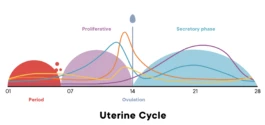
Hormonal fluctuations in a natural, ovulatory menstrual cycle
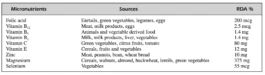
Whilst using the pill, key nutrient depletions of concern include vitamins B2, B6, B9, B12, vitamin C and E, and the minerals magnesium, selenium and zinc. Post-pill, common symptoms and concerns of clients I see include hormonal acne, irregular cycles, lack of a cycle returning, spotting, and mood swings. In this blog I will provide my suggestions for coming off the pill, unwanted symptoms associated, as well as recommendations for specific pill-related concerns.
It is important to note that I am not a doctor, and therefore cannot prescribe medication nor advice on when to take it or when to cease taking it. If you want to come off a medication, it is always recommended that this be done under the guidance of your GP.
Phase 1; Before Coming Off the Pill

Micronutrients the pill depletes, foods they are contained in, and their Recommended Dietary Allowances (RDAs)
Phase 2; First 3 Months
Phase 3; 3 – 6 Months

Phase 4; 6 months+
Common post-pill conditions and treatment:
Post-pill acne
Post-pill polycystic ovarian syndrome (PCOS)
Post-pill hypothalamic amenorrhoea (HA)
Post-pill irregular cycles
Post-pill infertility

Lifestyle tips to support ovulation:
Supplementation to support ovulation:
If you are looking for individualised support for coming off the pill please get in touch by booking in a session here.
Jaclyn is a qualified Naturopath with a focus on hormonal complaints, cycle health, reproductive and fertility care, skin issues, and adrenal health.
Author
Jaclyn Cave
BHSc (Nat), BComm (Soc)
Masters Womens Health Med (UNSW)
References:
https://pubmed.ncbi.nlm.nih.gov/23852908/
https://pubmed.ncbi.nlm.nih.gov/760421/
https://www.abs.gov.au/AUSSTATS/abs@.nsf/2f762f95845417aeca25706c00834efa/e50a5b60e048fc07ca2570ec001909fb!OpenDocument
June 28, 2021
The oral contraceptive pill (OCP) is the primary method of contraception in Australia, reported to be used by over 40% of contraceptive users. Following this, the next most commonly used contraceptive is the humble condom, at 18%. I have seen the trend towards LARCS (long acting reversible contraception) rise over the last few years. LARCs include hormonal implants, IUDs (Mirena, Kyleena, the ParaGard copper IUD), and contraceptive injections (such as DMPA). However these numbers are still quite low compared to the number of women currently on the pill.
With these statistics, is no surprise that women are seeking support for coming off the pill, to assist with making the transition as smooth as possible, to support a regularly, ovulatory, natural cycle, and very commonly for assistance with adverse symptoms related to pill use.

Micronutrients the pill depletes, foods they are contained in, and their Recommended Dietary Allowances (RDAs)

Phase 2; First 3 Months
Phase 3; 3 – 6 Months

Phase 4; 6 months+
Common post-pill conditions and treatment:
Post-pill acne
Post-pill polycystic ovarian syndrome (PCOS)
Post-pill hypothalamic amenorrhoea (HA)
Post-pill irregular cycles
Post-pill infertility
Author
Jaclyn Cave
BHSc (Nat), BComm (Soc)
Masters Womens Health Med (UNSW)
References:
https://pubmed.ncbi.nlm.nih.gov/23852908/
https://pubmed.ncbi.nlm.nih.gov/760421/
https://www.abs.gov.au/AUSSTATS/abs@.nsf/2f762f95845417aeca25706c00834efa/e50a5b60e048fc07ca2570ec001909fb!OpenDocument
Blending evidence-based medicine with traditional Naturopathic principles