Jaclyn Cave
Naturopath, Sydney
Jaclyn Cave
Naturopath, Sydney
July 7, 2025
Endometriosis is a chronic inflammatory condition characterised by the presence of endometrial-like tissue growing outside the uterus. It most commonly affects the pelvic region, including the ovaries, fallopian tubes, bladder, or rectum, and, in rare cases, extrapelvic sites. This tissue responds to hormonal fluctuations - undergoing cyclic thickening, breakdown, and bleeding during menstruation - which results in inflammation, pelvic pain, and potential adhesion or scar tissue formation.
Notes
Common symptoms include:
Globally, endometriosis affects approximately 10% of women and girls of reproductive age, impacting over 176 million individuals from premenarche through post-menopause, with peak diagnosis typically occurring between ages 25 and 35. Whilst the causes of endometriosis are unknown, it is likely that genetic predisposition and early onset of menstruation play a role.
While no cure for endometriosis exists, I see weekly how evidence-based management strategies combined with a holistic approach - targeting diet, lifestyle, supplementation, and medical interventions - can significantly alleviate symptoms and enhance quality of life in women with endo.
01
Investigations to consider

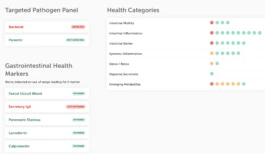
An example of a microbiome report I use with my patients
Accurate diagnosis and monitoring is crucial for effective endometriosis management. Collaborate with your healthcare team to discuss if these investigations may be right for you:
Deep infiltrating ultrasound
This is a specialised transvaginal ultrasound (different to a pelvic ultrasound) that can detect some endometrial tissue growth and endometriomas. A very important and worthwhile investigation that I believe many women should be having. Read more here.
Blood tests
While no single biomarker that diagnoses endometriosis, it is worth reviewing:
Microbiome stool analysis
Gut dysbiosis and conditions including SIBO and hyperintestinal permeability are linked to endometriosis and ostrogen excess. This testing can be ordered through your integrative GP, Naturopath, or Nutritionist.
Laparoscopy
This surgery is the gold standard for diagnosis. Surgery can relieve pain and associated symptoms and improve fertility outcomes. However, surgery comes with serious risks and outcomes can not be guaranteed.
02
Dietary support

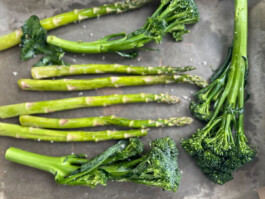
Beautiful cruciferous and high fibre veggies
Diet plays a pivotal role in managing endometriosis by reducing inflammation, supporting ostrogen detoxification, and supporting optimal hormonal health.
Here is what to focus on:
Anti-inflammatory foods to reduce inflammation:
→ I have a blog dedicated to inflammation here.
Cruciferous vegetables contain indole-3-carbinol (IC) and diindolylmethane (DIM) which support liver detoxification of excess ostrogen:
High fibre foods bind excess oestrogen in the gut to be eliminated via the bowels:
Limit personal trigger foods. These may include:
03
Lifestyle factors

Lifestyle changes are crucial to reduce pain, improve hormonal health, and enhance mental and physical well-being. I suggest:
Gentle movement
Low-impact exercise like yoga, Pilates, or walking (30 mins, 5 days/week) reduces inflammation and pelvic pain. Avoid high-intensity workouts during flares, as they may increase inflammation.
Stress management
Chronic stress elevates cortisol, worsening inflammation and ostrogen imbalances. Practice mindfulness, meditation, or breathwork for 10 mins daily. Read more here.
Optimal sleep
Aim for 7-9 hours of quality sleep to support hormone regulation and pain management.
Pelvic physiotherapy
Working with a pelvic floor physiotherapist can alleviate pelvic pain and improve mobility.
Acupuncture
Can be fantastic for managing and reducing pain and supporting nervous system health.
04
Medical interventions
Bioidentical progesterone can suppress endometrial growth and reduce associated pain.
The Mirena IUD delivers localised progestin to reduce endometrial proliferation thereby decreasing pain.
Oral contraceptive pill (OCP) suppresses ovulation and oestrogen, reducing symptoms. Important to note that the OCP commonly comes with side effects such as mood changes.
NSAIDs such as Nurofen can provide short-term pain relief by inhibiting prostaglandins.
GnRH agonists are a class of drugs that induce pseudo-menopause and decrease the cyclic hormonal fluctuations. These can only be used for 6 months at a time.
Surgeries such as a laparoscopy, laparotomy, or hysterectomy can be considered for women with endometriosis.
→ Ensure you are checking interactions if you are taking medications and supplements with your GP or health care provider.
05
Nutritional supplementation

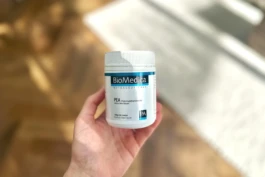
PEA - an incredible compound to address pain
Supplements can address nutrient deficiencies, reduce pain, and support oestrogen metabolism. Some key nutritionals for endometriosis include:
Magnesium to reduce muscle tension, pelvic pain, support the nervous system, and promote restful sleep.
Omega-3 fish oil decreases the levels of inflammation and pain.
N-Acetylcysteine (NAC) is the precursor to glutathione, a potent antioxidant that reduces oxidative stress and pain, and can improve fertility outcomes.
Palmitoylethanolamide (PEA) is a natural anti-inflammatory that reduces chronic pelvic pain.
Broccoli sprouts support oestrogen detoxification and can reduce pain levels.
Vitamin D modulates immune function and reduces inflammation. Low vitamin D levels are linked to increased endometriosis risk and severity.
Vitamin E is an antioxidant that improves endometrial tissue health by reducing oxidative stress.
06
Herbal medicine
Herbs offer support for pain, inflammation, hormone and nervous system support.
Curcumin is my go-to for endometriosis support. It reduces endometrial cell proliferation, thereby reducing pain and inflammation.
St Marys Thistle contains antioxidant and anti-inflammatory properties. It promotes both Phase I and Phase II liver detoxification, enhancing the liver’s ability to metabolise and excrete excess oestrogen.
Vitex/Chaste tree supports optimal progesterone levels. It can reduce pain, PMS symptoms, and support healthy moods and sleep.
Corydalis is an incredible herb that contains alkaloids that modulate pain pathways.
Jamaican Dogwood is a nervine and analgesic for pelvic pain.
Ginger is anti-inflammatory and pain-relieving.
Pycnogenol is a pine bark extract that has anti-inflammatory and antioxidant properties.
Cannabidiol (CBD) is technically a phytochemical that can alleviate the pain and inflammation associated with endometriosis.
→ Work with a Naturopath for dosing and safety for herbal medicine
Endometriosis is a complex and multifaceted condition, and we have a long way to go in terms of diagnosing and supporting this condition optimally. Every person's experience of endometriosis is unique, and therefore an individualised plan is necessary to see improvements and results. By addressing oestrogen metabolism, inflammation, and pain holistically, it is so possible to live well with endometriosis!
If you would like to find out more about how Naturopathy can help and support you in your endometriosis journey, please reach out or leave a comment below.
Author
Jaclyn Cave
BHSc (Nat), BComm (Soc)
Masters Womens Health Med (UNSW)
References:
July 7, 2025
Endometriosis is a chronic inflammatory condition characterised by the presence of endometrial-like tissue growing outside the uterus. It most commonly affects the pelvic region, including the ovaries, fallopian tubes, bladder, or rectum, and, in rare cases, extrapelvic sites. This tissue responds to hormonal fluctuations - undergoing cyclic thickening, breakdown, and bleeding during menstruation - which results in inflammation, pelvic pain, and potential adhesion or scar tissue formation.
Notes
Common symptoms include:
Globally, endometriosis affects approximately 10% of women and girls of reproductive age, impacting over 176 million individuals from premenarche through post-menopause, with peak diagnosis typically occurring between ages 25 and 35. Whilst the causes of endometriosis are unknown, it is likely that genetic predisposition and early onset of menstruation play a role.
While no cure for endometriosis exists, I see weekly how evidence-based management strategies combined with a holistic approach - targeting diet, lifestyle, supplementation, and medical interventions - can significantly alleviate symptoms and enhance quality of life in women with endo.
01
Investigations to consider

An example of a microbiome report I use with my patients
Accurate diagnosis and monitoring is crucial for effective endometriosis management. Collaborate with your healthcare team to discuss if these investigations may be right for you:
Deep infiltrating ultrasound
This is a specialised transvaginal ultrasound (different to a pelvic ultrasound) that can detect some endometrial tissue growth and endometriomas. A very important and worthwhile investigation that I believe many women should be having. Read more here.
Blood tests
While no single biomarker that diagnoses endometriosis, it is worth reviewing:
Microbiome stool analysis
Gut dysbiosis and conditions including SIBO and hyperintestinal permeability are linked to endometriosis and ostrogen excess. This testing can be ordered through your integrative GP, Naturopath, or Nutritionist.
Laparoscopy
This surgery is the gold standard for diagnosis. Surgery can relieve pain and associated symptoms and improve fertility outcomes. However, surgery comes with serious risks and outcomes can not be guaranteed.
02
Dietary support

Beautiful cruciferous and high fibre veggies
Diet plays a pivotal role in managing endometriosis by reducing inflammation, supporting ostrogen detoxification, and supporting optimal hormonal health.
Here is what to focus on:
Anti-inflammatory foods to reduce inflammation:
→ I have a blog dedicated to inflammation here.
Cruciferous vegetables contain indole-3-carbinol (IC) and diindolylmethane (DIM) which support liver detoxification of excess ostrogen:
High fibre foods bind excess oestrogen in the gut to be eliminated via the bowels:
Limit personal trigger foods. These may include:
03
Lifestyle factors

Lifestyle changes are crucial to reduce pain, improve hormonal health, and enhance mental and physical well-being. I suggest:
Gentle movement
Low-impact exercise like yoga, Pilates, or walking (30 mins, 5 days/week) reduces inflammation and pelvic pain. Avoid high-intensity workouts during flares, as they may increase inflammation.
Stress management
Chronic stress elevates cortisol, worsening inflammation and ostrogen imbalances. Practice mindfulness, meditation, or breathwork for 10 mins daily. Read more here.
Optimal sleep
Aim for 7-9 hours of quality sleep to support hormone regulation and pain management.
Pelvic physiotherapy
Working with a pelvic floor physiotherapist can alleviate pelvic pain and improve mobility.
Acupuncture
Can be fantastic for managing and reducing pain and supporting nervous system health.
04
Medical interventions
Bioidentical progesterone can suppress endometrial growth and reduce associated pain.
The Mirena IUD delivers localised progestin to reduce endometrial proliferation thereby decreasing pain.
Oral contraceptive pill (OCP) suppresses ovulation and oestrogen, reducing symptoms. Important to note that the OCP commonly comes with side effects such as mood changes.
NSAIDs such as Nurofen can provide short-term pain relief by inhibiting prostaglandins.
GnRH agonists are a class of drugs that induce pseudo-menopause and decrease the cyclic hormonal fluctuations. These can only be used for 6 months at a time.
Surgeries such as a laparoscopy, laparotomy, or hysterectomy can be considered for women with endometriosis.
→ Ensure you are checking interactions if you are taking medications and supplements with your GP or health care provider.
05
Nutritional supplementation

PEA - an incredible compound to address pain
Supplements can address nutrient deficiencies, reduce pain, and support oestrogen metabolism. Some key nutritionals for endometriosis include:
Magnesium to reduce muscle tension, pelvic pain, support the nervous system, and promote restful sleep.
Omega-3 fish oil decreases the levels of inflammation and pain.
N-Acetylcysteine (NAC) is the precursor to glutathione, a potent antioxidant that reduces oxidative stress and pain, and can improve fertility outcomes.
Palmitoylethanolamide (PEA) is a natural anti-inflammatory that reduces chronic pelvic pain.
Broccoli sprouts support oestrogen detoxification and can reduce pain levels.
Vitamin D modulates immune function and reduces inflammation. Low vitamin D levels are linked to increased endometriosis risk and severity.
Vitamin E is an antioxidant that improves endometrial tissue health by reducing oxidative stress.
06
Herbal medicine
Herbs offer support for pain, inflammation, hormone and nervous system support.
Curcumin is my go-to for endometriosis support. It reduces endometrial cell proliferation, thereby reducing pain and inflammation.
St Marys Thistle contains antioxidant and anti-inflammatory properties. It promotes both Phase I and Phase II liver detoxification, enhancing the liver’s ability to metabolise and excrete excess oestrogen.
Vitex/Chaste tree supports optimal progesterone levels. It can reduce pain, PMS symptoms, and support healthy moods and sleep.
Corydalis is an incredible herb that contains alkaloids that modulate pain pathways.
Jamaican Dogwood is a nervine and analgesic for pelvic pain.
Ginger is anti-inflammatory and pain-relieving.
Pycnogenol is a pine bark extract that has anti-inflammatory and antioxidant properties.
Cannabidiol (CBD) is technically a phytochemical that can alleviate the pain and inflammation associated with endometriosis.
→ Work with a Naturopath for dosing and safety for herbal medicine
Endometriosis is a complex and multifaceted condition, and we have a long way to go in terms of diagnosing and supporting this condition optimally. Every person's experience of endometriosis is unique, and therefore an individualised plan is necessary to see improvements and results. By addressing oestrogen metabolism, inflammation, and pain holistically, it is so possible to live well with endometriosis!
If you would like to find out more about how Naturopathy can help and support you in your endometriosis journey, please reach out or leave a comment below.
Author
Jaclyn Cave
BHSc (Nat), BComm (Soc)
Masters Womens Health Med (UNSW)
References:
Blending evidence-based medicine with traditional Naturopathic principles