Jaclyn Cave
Naturopath, Sydney
Jaclyn Cave
Naturopath, Sydney
September 18, 2025
Fibre 101 - A brief review
Fibre is a term that is used to describe the particles of plant foods that move through the human digestive tract, without being digested or utilised as energy for the body. Fibre passes through our small intestines undigested, mostly.
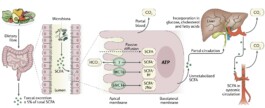
Once it reaches the large intestine, the bacteria here use this fibre as food, which in return produce health promoting short chain fatty acids (SCFAs) such a butyrate and acetate. These SCFAs have anti-inflammatory properties on the microbiome, and are extremely important for colon health.
Fibre then goes on to form the bulk of the bowel motion you (hopefully!) pass each day.

The role of short-chain fatty acids in microbiota-gut-brain communication

The two main types of fibre are:
1. Insoluble fibre
This fibre acts like a broom, sweeping the intestines and pushing waste products through the digestive system. Insoluble fibre assists in keeping bowel movements regular. Insoluble fibre is fabulous for constipation.
Examples include chia seeds, flaxseed, legumes, nuts, cauliflower, and potatoes.

Potatoes and parsnips - excellent fibrous fuel

2. Soluble fibre
This fibre acts like a sponge by soaking up fluid in the digestive tract. This helps to control blood sugar levels by slowing the rate that sugars are released in the blood stream during digestion. It can also bind to cholesterol, and other waste products and help remove them from the body.
Examples include the infamous psyllium husk, as well as oats, oat bran, legumes, apples and carrots.
Most wholefoods (ie not extracted food components such as ‘bran’) will contain both types of fibre. Kiwi fruit is an example of a high-fibre fruit that contains both soluble and insoluble fibres, as well as enzymes, and vitamin C that can help to promote healthy bowel motions.
If you experience dietary related constipation, and/or Irritable Bowel Syndrome (IBS), 1 - 2 kiwis a day (skin included please!) is a great starting point to try before fibre supplements. Make sure you increase your water intake whenever you increase your fibre intake, or you might find things go the other way.

The infamous kiwi fruit. Eaten with the skin on = 2.5-3g of fibre
Fibre intake recommendations are:
-> 25 grams daily for women
-> 30 grams daily for men
An example of a high fibre diet looks like:
Whether a person needs support with regular bowel motions, supporting their cholesterol levels, or working on oestrogen clearance, will dictate which form of fibre they should be including more of.
Thankfully, fibre is found in all vegetables, fruits, legumes, grains, nuts and seeds. Many people do not need to focus on specifically soluble or insoluble fibres, but just increasing these foods overall for optimal health. However, be warned, too much of a good thing can also be bad! Diets that are too high in fibre can cause excess bloating, distention, abdominal pain, excess gas, loose bowels, and diarrhoea. Start low and slow and build your way up giving your microbiome time to adjust.
If you are looking for individualised support to improve your digestion or optimise your microbiome health, please feel free to get in touch here.
Author
Jaclyn Cave
BHSc (Nat), BComm (Soc)
Masters Womens Health Med (UNSW)
Blending evidence-based medicine with traditional Naturopathic principles