The Journal
Postpartum Nutrition - What to Eat in Your Fourth Trimester and Beyond
November 11, 2025
How to support your body with the right foods, fluids, and daily practices to aid your recovery.
Bringing a baby into the world is one of the most physically and emotionally transformative experiences a woman can go through. If you have given birth, there’s no need for me to elaborate here! After birth, your body works tirelessly to recover, wound heal, support hormone production and, if breastfeeding, produce milk. All while adjusting to life with your beautiful new baby and the sleep deprivation that comes alongside this precious time.
This period isn’t about restriction. It isn’t about weight. It is about nourishing, healing, replenishing, and rehydrating! This article will walk you through how to support your body with the right foods, fluids, and daily practices to aid your recovery and sustain your energy levels.
Hydration
Hydration is key for recovery, energy and milk production. Aim for 2.5–3 litres of fluids every day. You may need more if you are breastfeeding a lot - this will entirely depend on you and your baby. If in doubt, more is better then less.
Some tips:
- Sip on water with electrolytes to make it more interesting for you!
- Homemade electrolyte recipe:
- 1 litre filtered water or half water half coconut water
- ¼ - ½ tsp high-quality sea salt
- The juice of 1 lemon or lime
- 1-2 tsp raw honey or maple syrup (optional)
- 1/2 a magnesium citrate or glycinate capsule (optional)
- Shake shake shake and enjoy. Stores well in the fridge for 2 days
- Store-bought options we recommend:
- Include broths, soups, coconut water, and herbal teas like chamomile or rooibos
- Snack on hydrating foods like cucumbers, oranges, and watermelon.
If you’re breastfeeding, your fluid needs will naturally increase. Keep a water bottle or carafe anywhere you usually feed so you can easily stay hydrated.
Nutrition
Pregnancy and birth often deplete key nutrients, so continuing your prenatal supplement is highly recommended postpartum. As a general rule of thumb:
If breastfeeding: Continue your prenatal for at least 3 months after weaning. This applies for if you are mixed feeding as well
If bottle-feeding: Continue for 3-6 months postpartum to restore nutrient stores
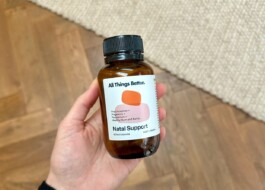
A fantastic iron-free prenatal formula we prescribe from All Things Better
Key nutrients to focus on:
- Iron - Rebuilds red blood cells and replaces blood lost during birth
- Red meat, mussels and spinach
- Iodine - Supports thyroid function and your baby’s brain development
- Iodised salt, kelp, small amounts in seafood
- Be mindful of supplementation if you have an autoimmune thyroid condition - check with you practitioner first
- Choline - Essential for brain and nerve function
- Egg yolks, liver
- Folate - Red blood cell production and recovery
- Liver, lentils, spinach
- Calcium - Protects your bone health during lactation
- Dairy, sardines, dark leafy greens
- Omega-3s (EPA/DHA) - Supports mood, inflammation, and your baby’s brain development
- SMASH fish - sardines, mackerel, anchovies, salmon, herring
Always check with your healthcare provider before starting or continuing supplements, particularly if you’re breastfeeding or taking other medications.
Energy needs
Your body’s energy needs change throughout pregnancy and postpartum. While breastfeeding you’ll need approximately +300–400cal/day to support milk production and recovery.
For context, that’s equivalent to:
- A Chief protein bar and an apple or banana
- A snack plate with hummus/cheese crackers, and carrots
- A smoothie with Greek yogurt, berries, spinach and a tablespoon of nut butter
- Two boiled eggs with avocado on a piece of toast
- 1 - 2 homemade lactation cookies
- 1 - 2 store bought lactation cookies - these are a personal favourite of ours
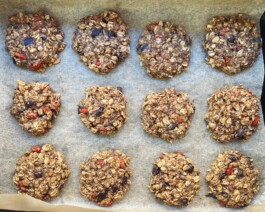
My homemade lactation cookies - great to make in bulk and store in the freezer. Recipe here
Where you can, focus on whole, nutrient-dense foods that replenish your stores and stabilise energy. Some beautiful postpartum-friendly foods to include:
- Wholegrains - Oats, quinoa, brown rice, wholegrain bread/pastas
- Eggs - A complete protein and rich in choline
- Dairy - Full fat yoghurt, milk, cheese, for calcium and protein
- Legumes - Lentils, beans, chickpeas, which are high in iron and fibre
- Healthy fats - Avocado, olive oil, nuts, and seeds
- Seafood - SMASH fish for high levels of omega-3s
- Shellfish (oysters, mussels) - High in zinc, iron, and B12
- Fermented foods - Yoghurt, kefir, sauerkraut (try our recipe here), kimchi, for microbiome diversity
Considerations
- Caffeine - Keep under 200 mg/day (approx. two shots of espresso). Caffeine can transfer into breast milk and affect your baby’s sleep
- Alcohol - We suggest timing your alcohol consumption around breastfeeding/pumping so it doesn’t pass through into the breastmilk. This is easy to do by using the Feed Safe app
- Vegan/Plant-based diets - Ensure adequate intake in your diet of B12, iron, iodine, omega 3s, and protein. Have a practitioner review your diet and check your nutrient stores via blood work
Nervous system support
Sleep deprivation, hormonal shifts, and emotional changes are all part of the postnatal experience! Support your nervous system through nutrition and gentle self-care:
- Magnesium-rich foods for nervous system and sleep support. Pumpkin seeds, dark chocolate, leafy greens
- B vitamins to support energy and mood. Eggs (yet again!), legumes, wholegrains
- Tryptophan-rich foods to promote serotonin levels and restful sleep. Oats, turkey, banana
- Herbal teas such as lemon balm, passionflower, and chamomile can promote calmness and provide nervous system support
We suggest batch cooking simple, nutrient-dense meals like soups, stews, casseroles, and slow-cooked meats to make eating easy when energy is low.
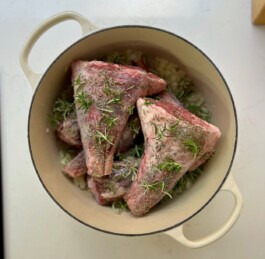
Lamb shanks with fennel and rosemary ready for a day in the oven
Fill your freezer with ready made meals so you can take cooking dinner off your plate. The following companies provide nutrient-dense and delicious ready made meals! We love The Whole Bowl and Made for Mothers.
For more information on how to support yourself during the postpartum sleep deprivation periods, you may like to read this article.
And remember; rest is recovery. Even five minutes of stillness counts. Five minutes of deep belly breathing or legs up the wall has the ability to change your mindset and therefore your day. Ask for help where you can, whether it’s from your partner, family members, friends, neighbours, or by hiring a doula for your postpartum period.
If you’d like individualised guidance on supporting your pregnancy or postpartum period, you can reach out to Jaclyn here. She offers discovery calls and one-on-one sessions to support your health journey, no matter what stage you are at.
Author
Dominique Stevens
MHumNut, B.ClinNutr (completing)
References:
- Aparicio E, Jardí C, Bedmar C, Pallejà M, Basora J, Arija V, The Eclipses Study Group. Nutrient Intake during Pregnancy and Post-Partum: ECLIPSES Study. Nutrients. 2020 May 7;12(5):1325. doi: 10.3390/nu12051325.
- Ball L, de Jersey S, Parkinson J, Vincze L, Wilkinson S. Postpartum nutrition: Guidance for general practitioners to support high-quality care. Aust J Gen Pract. 2022 Mar;51(3):123-128. doi: 10.31128/AJGP-09-21-6151.
- Bathula SS, Helena K, Avvaru K. Nutritional experiences of postpartum mothers - A qualitative study. J Family Med Prim Care. 2024 Apr;13(4):1243-1248. doi: 10.4103/jfmpc.jfmpc_904_23.
- Malisova O, Apergi K, Niaos E, Xenaki F, Kapsokefalou M. Investigating Water Balance as a Nutritional Determinant in Breastfeeding: A Comparative Study of Water Consumption Patterns and Influencing Factors. Nutrients. 2024 Jul 6;16(13):2157. doi: 10.3390/nu16132157.
The Journal
Postpartum Nutrition - What to Eat in Your Fourth Trimester and Beyond
November 11, 2025
How to support your body with the right foods, fluids, and daily practices to aid your recovery.
Bringing a baby into the world is one of the most physically and emotionally transformative experiences a woman can go through. If you have given birth, there’s no need for me to elaborate here! After birth, your body works tirelessly to recover, wound heal, support hormone production and, if breastfeeding, produce milk. All while adjusting to life with your beautiful new baby and the sleep deprivation that comes alongside this precious time.
This period isn’t about restriction. It isn’t about weight. It is about nourishing, healing, replenishing, and rehydrating! This article will walk you through how to support your body with the right foods, fluids, and daily practices to aid your recovery and sustain your energy levels.
Hydration
Hydration is key for recovery, energy and milk production. Aim for 2.5–3 litres of fluids every day. You may need more if you are breastfeeding a lot - this will entirely depend on you and your baby. If in doubt, more is better then less.
Some tips:
- Sip on water with electrolytes to make it more interesting for you!
- Homemade electrolyte recipe:
- 1 litre filtered water or half water half coconut water
- ¼ - ½ tsp high-quality sea salt
- The juice of 1 lemon or lime
- 1-2 tsp raw honey or maple syrup (optional)
- 1/2 a magnesium citrate or glycinate capsule (optional)
- Shake shake shake and enjoy. Stores well in the fridge for 2 days
- Store-bought options we recommend:
- Include broths, soups, coconut water, and herbal teas like chamomile or rooibos
- Snack on hydrating foods like cucumbers, oranges, and watermelon.
If you’re breastfeeding, your fluid needs will naturally increase. Keep a water bottle or carafe anywhere you usually feed so you can easily stay hydrated.
Nutrition
Pregnancy and birth often deplete key nutrients, so continuing your prenatal supplement is highly recommended postpartum. As a general rule of thumb:
If breastfeeding: Continue your prenatal for at least 3 months after weaning. This applies for if you are mixed feeding as well
If bottle-feeding: Continue for 3-6 months postpartum to restore nutrient stores
A fantastic iron-free prenatal formula we prescribe from All Things Better
Key nutrients to focus on:
- Iron - Rebuilds red blood cells and replaces blood lost during birth
- Red meat, mussels and spinach
- Iodine - Supports thyroid function and your baby’s brain development
- Iodised salt, kelp, small amounts in seafood
- Be mindful of supplementation if you have an autoimmune thyroid condition - check with you practitioner first
- Choline - Essential for brain and nerve function
- Egg yolks, liver
- Folate - Red blood cell production and recovery
- Liver, lentils, spinach
- Calcium - Protects your bone health during lactation
- Dairy, sardines, dark leafy greens
- Omega-3s (EPA/DHA) - Supports mood, inflammation, and your baby’s brain development
- SMASH fish - sardines, mackerel, anchovies, salmon, herring
Always check with your healthcare provider before starting or continuing supplements, particularly if you’re breastfeeding or taking other medications.
Energy needs
Your body’s energy needs change throughout pregnancy and postpartum. While breastfeeding you’ll need approximately +300–400cal/day to support milk production and recovery.
For context, that’s equivalent to:
- A Chief protein bar and an apple or banana
- A snack plate with hummus/cheese crackers, and carrots
- A smoothie with Greek yogurt, berries, spinach and a tablespoon of nut butter
- Two boiled eggs with avocado on a piece of toast
- 1 - 2 homemade lactation cookies
- 1 - 2 store bought lactation cookies - these are a personal favourite of ours
My homemade lactation cookies - great to make in bulk and store in the freezer. Recipe here
Where you can, focus on whole, nutrient-dense foods that replenish your stores and stabilise energy. Some beautiful postpartum-friendly foods to include:
- Wholegrains - Oats, quinoa, brown rice, wholegrain bread/pastas
- Eggs - A complete protein and rich in choline
- Dairy - Full fat yoghurt, milk, cheese, for calcium and protein
- Legumes - Lentils, beans, chickpeas, which are high in iron and fibre
- Healthy fats - Avocado, olive oil, nuts, and seeds
- Seafood - SMASH fish for high levels of omega-3s
- Shellfish (oysters, mussels) - High in zinc, iron, and B12
- Fermented foods - Yoghurt, kefir, sauerkraut (try our recipe here), kimchi, for microbiome diversity
Considerations
- Caffeine - Keep under 200 mg/day (approx. two shots of espresso). Caffeine can transfer into breast milk and affect your baby’s sleep
- Alcohol - We suggest timing your alcohol consumption around breastfeeding/pumping so it doesn’t pass through into the breastmilk. This is easy to do by using the Feed Safe app
- Vegan/Plant-based diets - Ensure adequate intake in your diet of B12, iron, iodine, omega 3s, and protein. Have a practitioner review your diet and check your nutrient stores via blood work
Nervous system support
Sleep deprivation, hormonal shifts, and emotional changes are all part of the postnatal experience! Support your nervous system through nutrition and gentle self-care:
- Magnesium-rich foods for nervous system and sleep support. Pumpkin seeds, dark chocolate, leafy greens
- B vitamins to support energy and mood. Eggs (yet again!), legumes, wholegrains
- Tryptophan-rich foods to promote serotonin levels and restful sleep. Oats, turkey, banana
- Herbal teas such as lemon balm, passionflower, and chamomile can promote calmness and provide nervous system support
We suggest batch cooking simple, nutrient-dense meals like soups, stews, casseroles, and slow-cooked meats to make eating easy when energy is low.
Lamb shanks with fennel and rosemary ready for a day in the oven
Fill your freezer with ready made meals so you can take cooking dinner off your plate. The following companies provide nutrient-dense and delicious ready made meals! We love The Whole Bowl and Made for Mothers.
For more information on how to support yourself during the postpartum sleep deprivation periods, you may like to read this article.
And remember; rest is recovery. Even five minutes of stillness counts. Five minutes of deep belly breathing or legs up the wall has the ability to change your mindset and therefore your day. Ask for help where you can, whether it’s from your partner, family members, friends, neighbours, or by hiring a doula for your postpartum period.
If you’d like individualised guidance on supporting your pregnancy or postpartum period, you can reach out to Jaclyn here. She offers discovery calls and one-on-one sessions to support your health journey, no matter what stage you are at.
Author
Dominique Stevens
MHumNut, B.ClinNutr (completing)
References:
- Aparicio E, Jardí C, Bedmar C, Pallejà M, Basora J, Arija V, The Eclipses Study Group. Nutrient Intake during Pregnancy and Post-Partum: ECLIPSES Study. Nutrients. 2020 May 7;12(5):1325. doi: 10.3390/nu12051325.
- Ball L, de Jersey S, Parkinson J, Vincze L, Wilkinson S. Postpartum nutrition: Guidance for general practitioners to support high-quality care. Aust J Gen Pract. 2022 Mar;51(3):123-128. doi: 10.31128/AJGP-09-21-6151.
- Bathula SS, Helena K, Avvaru K. Nutritional experiences of postpartum mothers - A qualitative study. J Family Med Prim Care. 2024 Apr;13(4):1243-1248. doi: 10.4103/jfmpc.jfmpc_904_23.
- Malisova O, Apergi K, Niaos E, Xenaki F, Kapsokefalou M. Investigating Water Balance as a Nutritional Determinant in Breastfeeding: A Comparative Study of Water Consumption Patterns and Influencing Factors. Nutrients. 2024 Jul 6;16(13):2157. doi: 10.3390/nu16132157.
Blending evidence-based medicine with traditional Naturopathic principles