The Journal
What Causes Acne? And Treatments That Actually Work
February 12, 2020
It is important to say first up that the underlying drivers of acne vulgaris are highly individual and can vary greatly between individuals. Hence why the acne treatment options provided in this blog are also highly individual!

Acne vulgaris is a skin condition characterised by the obstruction and inflammation of hair follicles and sebaceous glands, causing the formation of comedones, papules, pustules, nodules, and/or cysts.
Acne can appear on any part of the body, but most frequently presents on the face, neck, chest, and upper back, and is thought to affect around 80% of the population at some point in their life.
Acne occurs via one or multiple of the below mechanisms:
a) Excess sebum
b) Rapid cell turnover
c) Increased inflammation
But what causes the above to start or to stop? Finding out what is the underlying driver(s) of your acne is the path out of acne. Let’s look at some of the most common contributors to acne that I see in clinic weekly.
1. Elevated Androgens
Androgens are sex hormones that are present in both men and women, but in higher amounts in men and are therefore often referred to as ‘male hormones’. They include:
- Testosterone
- Dihydrotestosterone (DHT)
- Androstenedione
- Dehydroepiandrosterone sulfate (DHEAS)
- Sex hormone binding globulin (SHBG)
- Free androgen index (FAI)
Androgens stimulate the production of sebum, growth of the sebaceous glands and hyperkeratinisation. Elevated androgens can be the catalyst to all of the these mechanisms, and therefore can directly contribute to acne.
Elevated androgens occur commonly in:
- Polycystic Ovary Syndrome (PCOS)
- Post Oral Contraceptive Pill (OCP) use
You can get your androgen levels tested through blood work. If your acne is concentrated around the jaw-line, and you are also experiencing unwanted hair growth (known as hirsutism) and/or male-patterned baldness, it is likely that elevated androgens are playing a role.

What do I do?
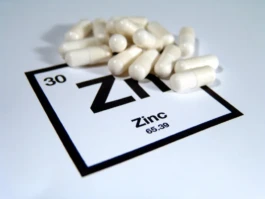
- Supplement with zinc - always taken after food
- Use the well-researched herbal medicine combination Peony and Licorice
- Use androgen lowering herbs such as Saw palmetto
- Supplement with Inositol – 2g – 4g daily
- Ensure you are ovulating! Track your temperature and cervical mucus throughout your cycle
- Reduce sugar
I suggest reading this blog on PCOS which contains additional strategies to reduce elevated androgens.
2. A High Sugar Diet
A high-sugar diet can contribute to acne by increasing circulating levels of the hormone insulin – however you don’t have to be insulin-resistant to experience the acne driven by a high-sugar diet. Sugar does not only means the obvious - items such as lollies, soft drinks, sweets, and desserts, but it can also mean high refined carbohydrate and alcohol – both of which break down into simple sugars that the body uses in the same way it uses white sugar. A high fruit diet also falls under this category.
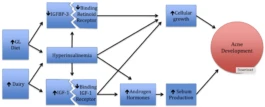
A low sugar diet is a non-negotiable when treating any kind of acne presentation, as insulin can also cause an imbalance in androgen levels. For this reason, researchers in this field are now starting to label acne as ‘diabetes of the skin’ due to this link between sugar, insulin, androgens and acne.
If a high-sugar diet is contributing to your skin presentation and you eliminate sugar, you will find your skin usually clears in 3 – 4 months.
What do I do?
- Take a good look at your sugar consumption. This includes fruit both fresh and dried, ‘natural’ sweeteners such as dates, maple syrup, coconut sugar, agave syrup and honey, alcohol, and refined carbohydrates such as white bread, pasta, and bakery items
- Enjoy 2 serves of whole, fresh fruit daily, and minimise desserts, sweets, and alcohol as much as possible
- I recommend my clients follow a low-sugar diet while we are working on the health of their skin. Most people feel so much better following a low-sugar way of life that they will continue to do see even after we have reached their skin health goals
- Take zinc – always after food
Donec finibus felis ac metus pulvinar, id lobortis sapien laoreet.
3. Insulin Resistance
A high sugar or high glycaemic index diet contributes to acne by increasing circulating levels of insulin. The pancreas pumps out insulin in an attempt to lower your circulating blood sugar levels, by using insulin to take the sugar into your cells to use for energy. If this is a common scenario, over time your cells become ‘resistant’ to insulin, meaning that more and more insulin is needed to decrease circulating blood sugar levels, until your cells stop responding to insulin at all.
High circulating insulin levels stimulate androgen production, triggering an increase in sebum production in the skin. Insulin resistance needs to be ruled out if you consume a high sugar, high carbohydrate or high processed food diet. Insulin resistance is a common condition seen in PCOS, so it is unsurprising that PCOS women suffer with acne as one of their main symptoms.
What do I do?
- Test for insulin resistance – ask your GP for a ‘fasting insulin’ test
- If you are insulin resistant, decrease your consumption of sugar and refined carbohydrates
- Prioritise moving your body daily, and enjoy sweaty exercise three times a week
- Supplement with magnesium – 300mg of magnesium citrate, split over the day has been shown to improve insulin sensitivity
4. The Dairy Dilemma
Dairy can contribute to acne through it’s link with insulin, insulin-like growth factor 1 (IGF-1), and a pathway known as mTOR. The reason dairy can be inflammatory for some people is because of the protein component of dairy known as casein. Casein can stimulate mast cells and histamine, causes inflammation, and activates the mTOR pathway – which increases androgen hormone secretion and therefore sebaceous follicle stimulation. Dairy also spikes IGF-1, a growth factor, which causes sebaceous glands to go into overdrive and increases the cell turnover in your skin.
Interestingly, goats and sheeps dairy contain a different form of casein that does not have the same affects as cows dairy, so you may be able to include this in your diet. Both butter and ghee contain almost negligible amounts of casein so a moderate amount of these products is ok to include in your diet.
Not everyone’s acne goes away from quitting dairy as this is not the underlying cause of their acne – but for those where it is and it does – it is worth it. Similarly to sugar, dairy-driven acne tends to clear up in a 3 – 4 months also.
What do I do?
- Quit dairy (cows, strictly) for 3 months minimum and assess the results – both of your skin and of your digestive system
- Take zinc – to help your skin heal faster
5. A Compromised Digestive System
Our microbiome has the ability the influence the pathophysiology of acne due to the bi-directional conversation that goes on between bacteria residing in our gut and the mTOR pathway discussed in point 3. The rise of antibiotics can have also huge consequences on the long term health of the diversity of our microbiome, as antibiotics don’t selectively kill just the bad guys, they kill all of the guys - including the desirable ones that promote a healthy gut-brain-skin axis!
Acne is commonly associated with microbial dysbiosis, and therefore in cases of gastrointestinal disorders, adverse digestive symptoms or intestinal hyperpermeability, there is likely to be disrupted gut barrier integrity, which can result in a cycle of metabolic inflammation.
What do I do?
- Promote a healthy gastrointestinal lining by feeding your gastrointestinal epithelial cells the nutrients they need to function:
- Glutamine
- Vitamin A
- Zinc
- If you experience adverse digestive symptoms (bloating, pain, excess gas), you may benefit from anti-inflammatory herbal medicines:
- Aloe vera
- Boswellia serrata
- Turmeric
- Repopulate your gut by eating fermented foots – yoghurt, kefir, sauerkraut, kimchi, tempeh, and miso.
- Consider a probiotic species specific to skin health, such as Lactobacillus rhamnosus
- With the support of a practitioner, consider the anti-microbial herbal medicine Berberine to modify bowel flora

Other factors that may be contributing to your acne include high-stress levels, compromised liver function, poor elimination channels, and an incorrect skin-care regime. You can read more about nutrients for skin health in this blog.
Hopefully you have been able to identify which area is applicable for you and you know how to start addressing your acne. If you have been struggling with your acne and want individualised support, please get in touch.
Jaclyn is a qualified Naturopath with a focus on hormonal complaints, cycle health, reproductive and fertility care, skin issues, and adrenal health.
Author
Jaclyn Cave
BHSc (Nat), BComm (Soc)
Masters Womens Health Med (UNSW)
References:
https://www.ncbi.nlm.nih.gov/pmc/articles/PMC6048199/
https://www.ncbi.nlm.nih.gov/pubmed/15692464
https://www.ncbi.nlm.nih.gov/pmc/articles/PMC3408989/
https://www.ncbi.nlm.nih.gov/pubmed/26477999
https://ghr.nlm.nih.gov/condition/lactose-intolerance#statistics
https://www.ncbi.nlm.nih.gov/pmc/articles/PMC6048199/#B102
https://www.ncbi.nlm.nih.gov/pubmed/31386766
https://www.ncbi.nlm.nih.gov/pmc/articles/PMC4565837/
https://www.ncbi.nlm.nih.gov/pubmed/28526383
The Journal
What Causes Acne? And Treatments That Actually Work
February 12, 2020
It is important to say first up that the underlying drivers of acne vulgaris are highly individual and can vary greatly between individuals. Hence why the acne treatment options provided in this blog are also highly individual!
Acne vulgaris is a skin condition characterised by the obstruction and inflammation of hair follicles and sebaceous glands, causing the formation of comedones, papules, pustules, nodules, and/or cysts.
Acne can appear on any part of the body, but most frequently presents on the face, neck, chest, and upper back, and is thought to affect around 80% of the population at some point in their life.
Acne occurs via one or multiple of the below mechanisms:
a) Excess sebum
b) Rapid cell turnover
c) Increased inflammation
But what causes the above to start or to stop? Finding out what is the underlying driver(s) of your acne is the path out of acne. Let’s look at some of the most common contributors to acne that I see in clinic weekly.
1. Elevated Androgens
Androgens are sex hormones that are present in both men and women, but in higher amounts in men and are therefore often referred to as ‘male hormones’. They include:
- Testosterone
- Dihydrotestosterone (DHT)
- Androstenedione
- Dehydroepiandrosterone sulfate (DHEAS)
- Sex hormone binding globulin (SHBG)
- Free androgen index (FAI)
Androgens stimulate the production of sebum, growth of the sebaceous glands and hyperkeratinisation. Elevated androgens can be the catalyst to all of the these mechanisms, and therefore can directly contribute to acne.
Elevated androgens occur commonly in:
- Polycystic Ovary Syndrome (PCOS)
- Post Oral Contraceptive Pill (OCP) use
You can get your androgen levels tested through blood work. If your acne is concentrated around the jaw-line, and you are also experiencing unwanted hair growth (known as hirsutism) and/or male-patterned baldness, it is likely that elevated androgens are playing a role.
What do I do?
- Supplement with zinc - always taken after food
- Use the well-researched herbal medicine combination Peony and Licorice
- Use androgen lowering herbs such as Saw palmetto
- Supplement with Inositol – 2g – 4g daily
- Ensure you are ovulating! Track your temperature and cervical mucus throughout your cycle
- Reduce sugar
I suggest reading this blog on PCOS which contains additional strategies to reduce elevated androgens.
2. A High Sugar Diet
A high-sugar diet can contribute to acne by increasing circulating levels of the hormone insulin – however you don’t have to be insulin-resistant to experience the acne driven by a high-sugar diet. Sugar does not only means the obvious - items such as lollies, soft drinks, sweets, and desserts, but it can also mean high refined carbohydrate and alcohol – both of which break down into simple sugars that the body uses in the same way it uses white sugar. A high fruit diet also falls under this category.
A low sugar diet is a non-negotiable when treating any kind of acne presentation, as insulin can also cause an imbalance in androgen levels. For this reason, researchers in this field are now starting to label acne as ‘diabetes of the skin’ due to this link between sugar, insulin, androgens and acne.
If a high-sugar diet is contributing to your skin presentation and you eliminate sugar, you will find your skin usually clears in 3 – 4 months.
What do I do?
- Take a good look at your sugar consumption. This includes fruit both fresh and dried, ‘natural’ sweeteners such as dates, maple syrup, coconut sugar, agave syrup and honey, alcohol, and refined carbohydrates such as white bread, pasta, and bakery items
- Enjoy 2 serves of whole, fresh fruit daily, and minimise desserts, sweets, and alcohol as much as possible
- I recommend my clients follow a low-sugar diet while we are working on the health of their skin. Most people feel so much better following a low-sugar way of life that they will continue to do see even after we have reached their skin health goals
- Take zinc – always after food
Donec finibus felis ac metus pulvinar, id lobortis sapien laoreet.
3. Insulin Resistance
A high sugar or high glycaemic index diet contributes to acne by increasing circulating levels of insulin. The pancreas pumps out insulin in an attempt to lower your circulating blood sugar levels, by using insulin to take the sugar into your cells to use for energy. If this is a common scenario, over time your cells become ‘resistant’ to insulin, meaning that more and more insulin is needed to decrease circulating blood sugar levels, until your cells stop responding to insulin at all.
High circulating insulin levels stimulate androgen production, triggering an increase in sebum production in the skin. Insulin resistance needs to be ruled out if you consume a high sugar, high carbohydrate or high processed food diet. Insulin resistance is a common condition seen in PCOS, so it is unsurprising that PCOS women suffer with acne as one of their main symptoms.
What do I do?
- Test for insulin resistance – ask your GP for a ‘fasting insulin’ test
- If you are insulin resistant, decrease your consumption of sugar and refined carbohydrates
- Prioritise moving your body daily, and enjoy sweaty exercise three times a week
- Supplement with magnesium – 300mg of magnesium citrate, split over the day has been shown to improve insulin sensitivity
4. The Dairy Dilemma
Dairy can contribute to acne through it’s link with insulin, insulin-like growth factor 1 (IGF-1), and a pathway known as mTOR. The reason dairy can be inflammatory for some people is because of the protein component of dairy known as casein. Casein can stimulate mast cells and histamine, causes inflammation, and activates the mTOR pathway – which increases androgen hormone secretion and therefore sebaceous follicle stimulation. Dairy also spikes IGF-1, a growth factor, which causes sebaceous glands to go into overdrive and increases the cell turnover in your skin.
Author
Jaclyn Cave
BHSc (Nat), BComm (Soc)
Masters Womens Health Med (UNSW)
References:
https://www.ncbi.nlm.nih.gov/pmc/articles/PMC6048199/
https://www.ncbi.nlm.nih.gov/pubmed/15692464
https://www.ncbi.nlm.nih.gov/pmc/articles/PMC3408989/
https://www.ncbi.nlm.nih.gov/pubmed/26477999
https://ghr.nlm.nih.gov/condition/lactose-intolerance#statistics
https://www.ncbi.nlm.nih.gov/pmc/articles/PMC6048199/#B102
https://www.ncbi.nlm.nih.gov/pubmed/31386766
https://www.ncbi.nlm.nih.gov/pmc/articles/PMC4565837/
https://www.ncbi.nlm.nih.gov/pubmed/28526383
Blending evidence-based medicine with traditional Naturopathic principles